Hank Williams "Jambalaya" and the Guidry Connection
Many folks have heard the late great Hank Williams sing Jambalaya (On the Bayou) either on the radio, a record, or CD; however, few know the origins of the song. It has a somewhat complex, evolving early history.
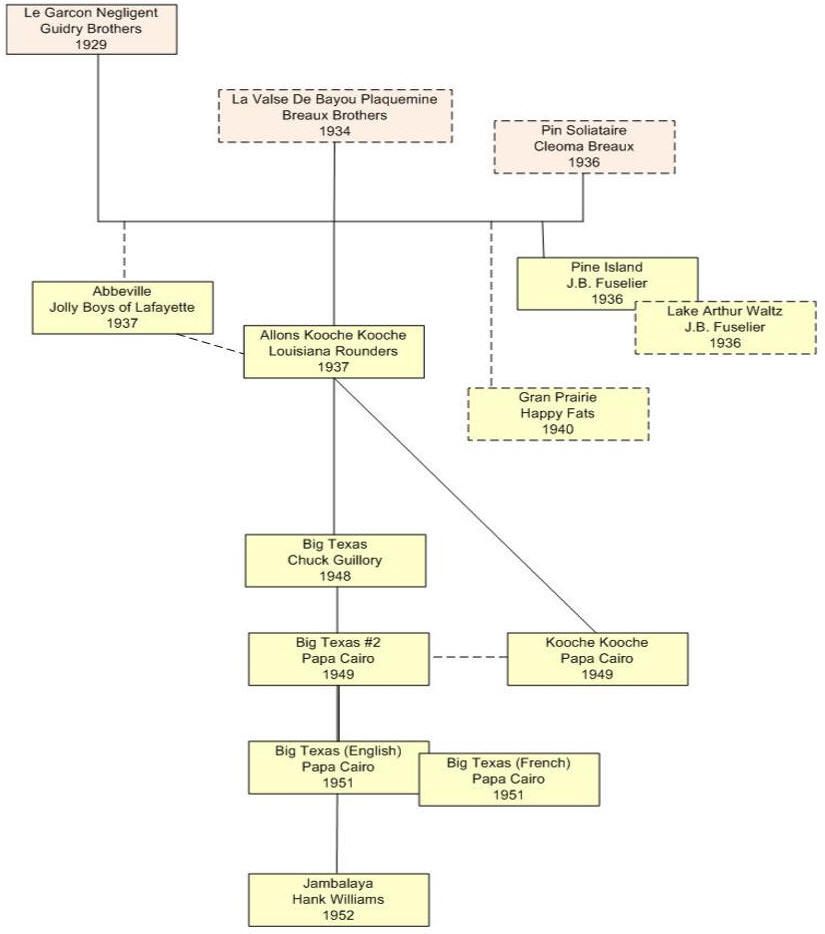
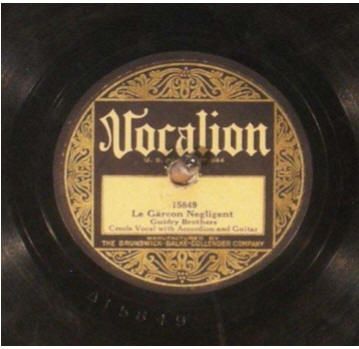
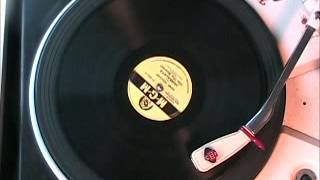
On 1 October 1929 the Guidry Brothers, a local Cajun band from the Lafayette, LA area, travelled to New Orleans and recorded six Cajun songs for Vocalion Records. The names of the three or four members of this band are unknown today; however, their 78 records have kept their music alive. The melody of one recorded song Le Garçon Négligent (The Careless Boy) became the genesis for several other songs that eventually evolved into Jambalaya (On the Bayou).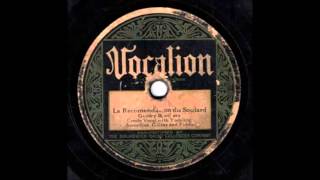
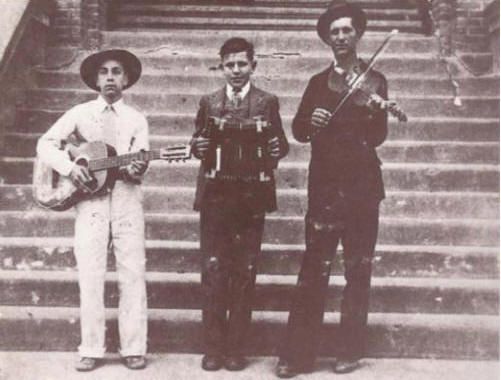
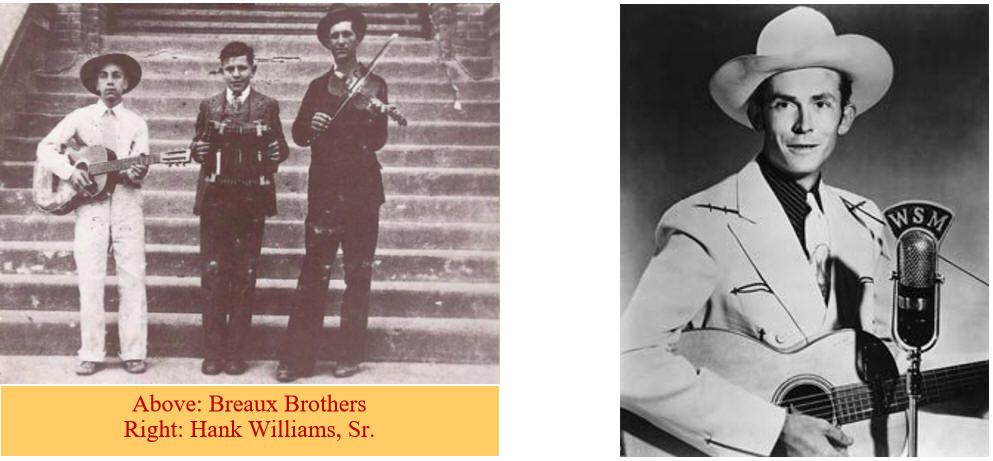
Over the next several years other South Louisiana Cajun bands recorded songs based on the melody of the Guidry Brothers' Le Garçon Négligent. These included the 1934 La Valse de Bayou Plaquemine by the Breaux Brothers, Cleoma Breaux's 1936 Pin Solitaire, J. B. Fuselier's 1936 Pine Island, the 1937 hit Abbeville by the Jolly Boys of Lafayette, Allons Kooche Kooche in 1937 by the Louisiana Rounders with Papa Cairo and the 1940 Happy Fats' tune Gran Prairie.
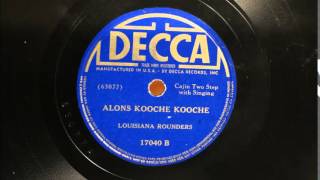
WWII drew many Cajun musicians into the U. S. Army and Navy including Jules Angelle “Papa Cairo” Lamperez. After the war ended and he returned home, Papa Cairo remembered the melody of Allons Kooche Kooche and he wanted to record that melody into a song he hoped to make popular throughout the United States. At this time Western Swing and Texas honky tonk were becoming popular on the music scene in the South. Shortly before 1947 Chuck Guillory added Papa Cairo to his band and in 1948 Papa Cairo had Guillory's Western Swing band record Big Texas with the melody of Allons Kooche Kooche. Sometimes Big Texas is referred to as Gran Texas.
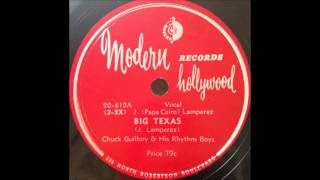
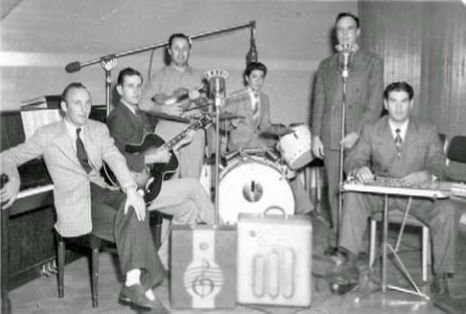
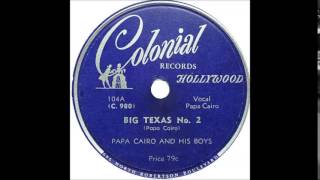
Unsure of the success of his song, in 1951 Papa Cairo went to J. D. Miller's recording studio in Crowley, Louisiana and rerecorded Big Texas in English and in French for Miller's Feature Records.
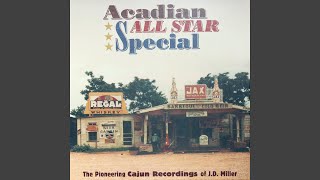
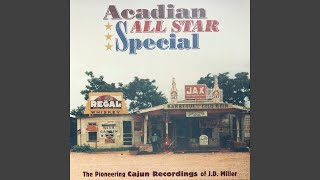
In 1952 Hank Williams became aware of the tune Big Texas and decided to record it; however, he spiced up the text with Cajun French words and used text from a version Moon Mullican had written, but not copyrighted. Some disagreement exists about how Hank Williams got the words to Jambalaya (On the Bayou) despite the general belief that it was Moon Mullican's version. Many stories have surfaced over the years about this - even including references to Dudley LeBlanc's Hadacol Caravan of which Hank was a member. The origin of the words to Jamabalaya (On the Bayou), may be unclear; however, the source of the melody is very clear. It descends from the 1929 Guidry Brothers' recording of Le Garçon Négligent.
And now you know how the Guidry family heavily influenced one of the best-known country hits of all time.