Acadian Genetic Diseases
The Insular Acadians
Acadians experience a high incidence of certain genetic diseases compared to the North American population as a whole. This is not uncommon among relatively isolated ethnic groups. Because of the importance of this topic to Acadians everywhere, we'll briefly discuss aspects of Acadian history that relate to this high incidence, a review of genetics and disease and finally genetic diseases with an Acadian component.
It is important to understand that DNA (deoxyribonucleic acid) research in studying genetic diseases is not related to the DNA analyses used in genealogical research. Different segments of the chromosome are used in medical research and in genealogical testing; therefore, the information obtained is unrelated.
The Acadian population prior to the deportations of 1755-1764 descended from a relatively small number of original settlers (several hundred at most) that came primarily from France. In Acadia they settled in several relatively isolated communities among their extended families (i.e., parents, uncles, aunts, siblings, cousins). To survive, the deported Acadians again grouped closely together and made every effort to find and join their extended families. This was true both in their initial settlements prior to 1763 in the Atlantic seaboard colonies, France, England and eastern Canada as well as their resettlements in Louisiana, Maine, New Brunswick, Nova Scotia and Québec.
Historically, the tenets of the Acadian people have been Catholicism, family, French language and their Acadian culture. These are strong yet today in Acadian regions throughout North America with Acadians clustered close together in their villages and towns of Louisiana, Maine, New Brunswick, Nova Scotia and Québec.
The historic, insular nature of the original Acadian society resulted in a common genetic inheritance. Having maintained their familial and social cohesiveness during the ensuing 350 years has resulted in an increased risk among Acadians for rare genetic diseases. Although intermarriage among closely-related relatives has occurred in the Acadian population, this is not the major factor in explaining the high incidence of genetic diseases among the Acadians. The small pool of Acadians settling in isolated communities, maintaining their unique culture and seldom marrying outside of the community led to a small gene pool with a high disposition for genetic diseases.
Genetics and Mutations
All humans are remarkably similar - 99.9% similar even though we have obvious physical differences as hair color, skin color, eye color, height, weight, etc. This similarity is due to the chemical DNA found in all humans. A long and complex chemical, DNA is instrumental in cellular reproduction in the body. Each time the body must make a new cell, the original cell must undergo over three billion chemical reactions to make a new copy of its DNA for the new cell. It is essential that the original cell reproduce its DNA as perfectly as possible. Humans are composed of trillions of cells that live, die and often are replaced over the course of a lifetime thus these billions of chemical reactions to reproduce the DNA in each new cell must occur perfectly innumerable times over a lifetime.
DNA serves as the source of information for cell structure and function. The DNA-encoded information directs the cell to produce other chemicals called proteins needed for the various cell functions. Proteins control the physical attributes as eye, hair and skin color, height, weight, etc. By making a perfect copy of its DNA, each cell ensures that the protein it produces will contribute positively to the health of the human being. The DNA segment that makes a specific protein is called the gene. Each human has approximately 35,000 genes. Each human baby results from the union of the sperm cell of his father and the egg cell of his mother. In this way DNA is transmitted from the parent's cells to the baby's cells. Each baby receives two copies of DNA - one from each parent; therefore, the cells of the baby will be making the proteins of his parents. Ever wonder why we look similar to our parents?
Babies, however, are not identical to their parents nor are any two human beings identical. Although cells attempt to reproduce their DNA perfectly, occasionally mistakes are made. These errors are quite rare and seldom affect genes or their ability to encode proteins. Very rarely, however, one of these errors does affect the protein produced and its function. These "changed" genes that affect the proteins are called mutations and they may cause medical problems as well as alter physical attributes as eye color.
Should the mutation occur in the sperm cells or egg cells of the parents, the mutation could be transmitted to their babies. If transmitted to a baby, it will occur in the DNA of all cells of the baby as it matures to adulthood because all adult cells derive from the original sperm cell and egg cell received from the baby's parents. Thus the mutation can be transmitted to consecutive generations. When a mutation causes a medical problem seen in a family across several generations, scientists refer to the medical problem as a genetic disease.
Humans receive two copies of DNA from their parents - one from the sperm cell and one from the egg cell. Thus humans have two copies of each of the approximately 35,000 genes. Genetic diseases can be either dominant or recessive. In a dominant genetic disease only one mutated gene of the pair is needed to cause the disease. In a recessive genetic disease both genes of the pair must be mutated before the disease is observed. For a recessive genetic disease having one mutated gene and one normal gene does not result in the genetic disease. Most Acadian genetic diseases are recessive genetic diseases.
In summary, each person has two copies of each gene on a chromosome and in almost every instance both copies of each gene are normal. Rarely are one or both copies of a gene on the chromosome mutated. Each parent transmits one copy of each of his or her genes to their baby. The baby thus receives two copies of each gene - one from the father and one from the mother.
For a specific gene causing a dominant genetic disease, the baby must receive a mutated gene from at least one parent in order to have the disease. If one parent has two mutated genes, all of the children will have the disease. If each parent has one mutated gene, there is a 75% chance that each of their children will have the disease. If one parent has one mutated gene and the other parent has two normal genes, there is a 50% chance that each of their children will have the disease.
For a specific gene causing a recessive genetic disease, the baby must receive a mutated gene from each parent in order for the baby to have the genetic disease. If the baby receives one mutated gene and one normal gene, then the baby will not have the genetic disease, but will be a carrier of the disease and could transmit the genetic disease to his children. For a baby to receive two mutated genes of a recessive genetic disease, each parent either must have the genetic disease or be a carrier of the genetic disease (i.e., either one or both of each parent's genes must be mutated). If both parents are carriers of the genetic disease, there is 25% chance that each of their children will have the genetic disease. If one parent is a carrier and one parent has the genetic disease, there is a 50% chance that each of their children will have the genetic disease. If both parents have the genetic disease, all of their children will have the genetic disease.
Often an Acadian genetic disease can be traced back to a specific couple living in seventeenth century Acadia. Assume that the husband of this couple accidentally developed one mutated gene of the gene pair. The wife had two normal copies of this gene. There is a 50% chance that any of the children of this couple would inherit the mutated gene. Assuming this gene is recessive, then any children that inherit the mutated gene would be carriers of the genetic disease and would not have the genetic disease. If the couple had ten children, which was not unusual for an Acadian couple of that time, then statistically five of the children would be carriers of the genetic disease. If these five children each had ten children with spouses that did not have the mutated gene, then statistically 25 more children would be carriers of the genetic disease. These could be both boys and girls. Continuing in the same manner for two more generations would result in an additional 125 carriers of the genetic disease in the fourth generation (2nd cousins) and 625 carriers in the fifth generation (3rd cousins). Thus in a relative few generations several thousand distant relatives would be carriers. Within the isolated Acadian communities comprising extended families, it is probable that two distant relatives (e.g., 5th cousins) who are both carriers of the genetic disease marry. Their children would each have a 25% probability of inheriting two mutated genes (i.e., one from each parent) and thus having the recessive genetic disease. Recessive genetic diseases, therefore, do not have to result from close relatives having children, but can "jump" several generations before appearing in the population.
The Acadian Diseases
The genetic diseases often called Acadian diseases were not exclusive to Acadians, but occur within several different groups in North America. They, however, occur at a higher frequency among the Acadians than the North American average.
The major Acadian genetic diseases are:
- Acadian Usher Syndrome (Type Ic)
- Tay-Sachs Disease
- Acadian Ataxia (Friedreich Ataxia)
- Charcot-Marie-Tooth Disease (Type IA)
- French Settlement Disease (Hereditary Spastic Paraplegias)
- Niemann-Pick Disease (Type C2)
- Acadian Variant Fanconi's Syndrome
Acadian Usher Syndrome
Discovered among the Acadians in 1996 by Dr. H. W. Kloepofer when doing research at the Louisiana State School for the Deaf in Baton Rouge, Usher Syndrome impacts young children at birth. They are born deaf and eventually begin losing their eyesight during adolescence.
Usher Syndrome accounts for the majority of persons in the United States who are both deaf and blind. Usher Syndrome is an autosomal recessive genetic disease. (Autosomal means the affected gene is on any chromosome except one of the two sex chromosomes.). Approximately 4 persons of every 100,000 Americans have Usher Syndrome although about 1 in 100 Americans carry one Usher Syndrome defective gene and, therefore, are carriers of the disease. There are three clinical types of Usher Syndrome (Type I, Type II and Type III) with six subtypes of Type I. Ten different genes when mutated could cause Usher Syndrome. Type I is the most severe form of Usher Syndrome.
Acadian Usher Syndrome is Type Ic characterized by congenital deafness and progressive blindness. In 2000 scientists discovered the mutated gene, harmonin , that causes Type Ic Usher Syndrome. Unlike the normal harmonin gene, the mutated harmonin gene cannot produce the protein harmonin needed for hearing and vision. This disease is quite rare among the Acadians in Louisiana with only about 300 confirmed Acadian patients since 1966 among the approximately 1,000,000 Acadians in Louisiana. The frequency of Acadian Usher Syndrome is 1 in 20,000 Acadians in Louisiana today with 1 in 70 Louisiana Acadians being a carrier. Because Acadian Usher Syndrome is a recessive genetic disease, the affected patient must have inherited one mutated harmonin gene from each parent; therefore, this patient would have no genes that can produce the protein harmonin.
The protein harmonin is important in maintaining the structure and function of cells that comprise the inner ear and the retina. The inner ear receives and transforms vibrations into impulses that the brain interprets as sound. Since Acadian Usher Syndrome patients have no harmonin protein, their inner ear does not transmit impulses to the brain. Their hearing is so severely impacted that hearing aids are of no benefit and only cochlear implants offer hope to the patient. The retina is located in the rear of the eye. It absorbs light and transmits it as impulses that the brain interprets as vision. At birth the retina is fine; however, over time the retina does not receive harmonin needed to maintain it and it slowly begins to degenerate. As the child nears ten years of age night blindness begins and the field of vision decreases. The loss of vision gradually becomes more severe until total blindness occurs in early adulthood.
Identifying the mutated gene was a major breakthrough in understanding Acadian Usher Syndrome and helping affected patients. A blood test has been developed that offers pre-natal diagnosis for Acadian Usher Disease and also can identify carriers of the disease. Hearing-impaired infants can be tested and, if affected by Acadian Usher Syndrome, can undergo therapy programs with their parents. Genetic counseling can be provided to carriers to assist them in their decisions. Researchers currently are studying the potential of cellular therapy to prevent or reduce blindness in Acadian Usher Syndrome patients.
DNA research on Type Ic Acadian Usher Syndrome patients strongly suggests that the origin of this disease was an accidental mutation in a common ancestor living in Acadia in the seventeenth century. Following the Acadian deportations from 1755 - 1764 approximately 3000 Acadians eventually settled in small, close-knit, familial Acadian communities in southern Louisiana. Essentially all carriers of Acadian Usher Syndrome arrived in southern Louisiana in 1766 and descended from the individual above with the mutated gene. They settled in only a few, small, isolated Acadian communities with extended families that historically have not moved far from the parental home. Marriages in these isolated communities often occurred between distantly related individuals who were both carriers of Acadian Usher Syndrome. This has resulted in Acadian Usher Syndrome being found primarily in three parishes of southwestern Louisiana - Lafayette, Vermilion and Acadia.
Tay-Sachs Disease
Tay-Sachs is a fatal, autosomal recessive genetic disease with no known cure. Shortly after birth, infants become paralyzed over their entire body as the disease attacks their nervous system. Untreatable, Tay-Sachs successively causes loss of motor skills, seizures, blindness, deafness, paralysis and finally death by the age of five. Tay-Sachs is not clinically apparent until about six months of age although the disease begins its destruction in the fetus early in the pregnancy.
In south Louisiana Tay-Sachs is known as "the Cajun disease". "Lazy Baby Disease", a similar affliction of the past in Louisiana, likely was undiagnosed Tay-Sachs Disease.
Generally associated with the East European Ashkenazi Jews, Tay-Sachs Disease is rare among the Acadians of south Louisiana. The congenital absence of the enzyme exosaminidase-A causes Tay-Sachs Disease. Without this vital enzyme the body cannot break down one of its fatty substances, the lipid ganglioside GM2, causing this lipid to build up in the nerve cells of the brain and impair the central nervous system.
Tay-Sachs Disease in Louisiana is greatest in four southwestern Louisiana parishes - Allen, Acadia, Jefferson Davis and Lafayette. As expected, the carrier frequency is also much higher in the affected parishes. For example, a study in Allen Parish found that the Tay-Sachs carrier frequency is ten times greater than that of the general population. Genealogical and DNA studies have shown the disease arrived in southwest Louisiana before 1850 and probably when the Acadians first settled in these Louisiana communities. A single ancestral couple has been identified that is common to almost all of the known Acadian Tay-Sachs patients.
A tell-tale sign of Tay-Sachs Disease is a cherry-red spot in the eyes of the patient. Today a blood test can determine the level of the enzyme Hexosaminidase-A in the fetus or infant and thus the presence of Tay-Sachs Disease. Also, testing of serum and white blood cells can confirm if a person is a carrier of Tay-Sachs Disease. Affected persons can then receive genetic counseling to assist them in dealing with the patient and with their decisions as carriers.
Encouragingly, researchers seeking a cure for Tay-Sachs Disease have discovered a drug that blocks the accumulation of fatty substances in the brain. This drug, a small, artificial iminosugar molecule, blocks the first step in the synthesis of the types of lipids that accumulate in the brain of Tay-Sachs patients. If the production of these lipids can be stopped, then the devastating effects of the disease will not occur. Other therapies being researched by scientists include gene therapy, neural stem cells, bone marrow transplants and metabolic bypass therapies.
Acadian Ataxia (Friedreich Ataxia)
Acadian Ataxia, a form of Friedreich Ataxia, is found in individuals of Acadian ancestry in Louisiana and eastern Canada (Nova Scotia, New Brunswick and eastern Québec). Acadian Ataxia is a progressive neurodegenerative disease involving both the central and peripheral nervous systems. It is an autosomal recessive genetic disease that destroys brains cells governing muscle control. Usually appearing about puberty, Acadian Ataxia first appears as slurred speech, a stumbling walk and hand incoordination followed by loss of ability to walk, stand and move. There is no known cure for Acadian Ataxia.
Compared to other forms of Friedreich Ataxia, Acadian Ataxia has a slower progression and less severe secondary symptoms as hearing impairment. The age of onset of Acadian Ataxia is slightly later and the age of death older.
A form of muscular dystrophy, Acadian Ataxia can be mistaken for multiple sclerosis and other diseases affecting coordination.
In the U.S. population one in 50,000 people inherit Friedreich Ataxia while one in 122 people are carriers. In southwest Louisiana one in 20,000 Acadians inherit Acadian Ataxia and one in 70 are carriers. As with other Acadian genetic diseases, Acadian Ataxia is most prevalent in a few small Acadian communities of south Louisiana, Nova Scotia, New Brunswick and eastern Québec.
Scientists have determined that the Acadian Ataxia defective gene is on chromosome 9 of the 46 chromosomes that humans have. Researchers are working diligently to identify the defective gene and the protein it produces.
Blood tests currently can identify individuals with Acadian Ataxia as well as carriers of the disease. Although there is no known cure for Acadian Ataxia, patients can receive counseling and therapies, including physical aids and medical intervention, that relieve the symptoms.
Charcot-Marie-Tooth Disease
A form of ataxia, Charcot-Marie-Tooth Disease (CMT) is a progressive neurological disease that leads to deterioration of muscles in the feet, lower legs, hands and forearms. In CMT the peripheral nerves, those outside the brain and spinal cord, are affected. The first symptom of CMT is normally a foot deformity as high arches or flexed toes which affect walking and causing tripping, raising the feet higher than normal, walking with a gaited step and numbness in the feet. The lower arms and hands may later be affected - sometimes so severely that the hands cannot be used.
Dr. Carlos Garcia discovered CMT among the Acadians of south Louisiana in 1970. There are four types of Charcot-Marie-Tooth Disease (Types I-IV) and seven subtypes of Type I. The Acadian form of Charcot-Marie-Tooth Disease is Type IA. Unlike other Acadian genetic diseases, Charcot-Marie-Tooth Disease is an autosomal dominant genetic disease thus a person need only receive one defective gene from his parents to acquire the disease. At least one of his parents will have CMT Type IA.
A duplication of the PMP22 gene on chromosome 17 causes CMT Type IA. Instead of having two copies of the PMP22 gene (i.e., one on each paired chromosome), CMT Type IA patients have three copies of the gene (i.e., two on one chromosome and one on the paired chromosome). The PMP22 gene produces peripheral myelin protein. The exact function of this protein in causing Charcot-Marie-Tooth Disease is not known. Similar to most other CMT patients, Type IA patients initially are slow runners in childhood, develop high arches, hammertoes and weak ankles affecting walking. Hand weakness usually occurs about ten years after foot and leg problems. These patients may develop hearing and vision deficiencies. Generally patients remain ambulatory throughout life with a normal life expectancy.
Blood tests can determine if a person has Charcot-Marie-Tooth Disease. Historically, electrodiagnostic testing as nerve conduction velocity tests and electromyograms have been used. Patients with CMT can receive physical and medical assistance such as specialized shoes, wearing braces or using a wheelchair for mobility and undergoing surgery to improve the foot, leg and hand structure. Physical therapy and genetic counseling are also important. In southwestern Louisiana CMT seems to be the most prevalent form of muscular dystrophy.
French Settlement Disease (Hereditary Spastic Paraplegias)
French Settlement Disease (FSD) is a rare genetic disease first discovered in French Settlement - a small village in Livingston Parish, LA. It is an autosomal recessive genetic disease and a form of genetic diseases called Hereditary Spastic Paraplegias (HSP).
Hereditary Spastic Paraplegias affects the muscles and movements of the lower limbs and torso of the body. The main symptom of HSP is difficulty walking due to weak and stiff leg muscles which begins suddenly and worsens with age. It often becomes quite severe and debilitating. The first symptoms are often balance issues, stumbling and stubbing the toe. Occasionally HSP can affect the upper body as the arms and can cause problems with speech and swallowing.
A deterioration of specific nerve cells (i.e., the upper motor neurons) in the brain and spinal cord that control movement of voluntary muscles causes Hereditary Spastic Paraplegias. When the circuit between the upper motor neurons and the muscles is broken due to this deterioration, then control of voluntary movements is lost. Deterioration of the upper motor neurons occurs because a mutated gene cannot produce the proper protein essential for the maintenance of the neurons.
French Settlement is a small community of approximately 1000 persons along the Amite River in Livingston Parish. In the 1700s and early 1800s several cultural groups settled in the French Settlement area including Acadians, Germans, Spanish, French and Italians. Acadians are the most prominent ethnic group in the community. French Settlement Disease was first identified in this population in 1976. Genealogical research of the FSD patients revealed that French Settlement Disease originated from a specific German couple who immigrated to the French Settlement area in 1741.
The differences between French Settlement Disease and other forms of Hereditary Spastic Paraplegias are difficult to distinguish. For FSD the age of onset is typically in the mid-twenties whereas other HSP forms first appear at one to thirteen years of age. Most physical symptoms of FSD and other HSP forms are similar.
The identity of the mutated gene causing French Settlement Disease is not known yet; therefore, no genetic test is available to diagnose this disease before onset of symptoms. Having a genetic test available would allow individuals having FSD to begin in youth a lifestyle that would strengthen the limbs. A genetic test could also identify carriers of FSD and thus provide them with genetic counseling.
Recently an Acadian from northeastern Maine who grew up in a French Acadian community was diagnosed with Hereditary Spastic Paraplegias. Neither the type of HSP nor the cause of this person's HSP is known presently.
Niemann-Pick Disease
Niemann-Pick Disease (NPD) is an autosomal recessive genetic disorder resulting from an accumulation of fat and cholesterol in the cells of the liver, spleen, bone marrow, lungs and occasionally brain. Physical symptoms of Niemann-Pick Disease are loss of muscle control, eye paralysis, brain degeneration, learning problems, spasticity, swallowing difficulties, slurred speech, hypersensitivity to touch and corneal clouding. About half of the Niemann-Pick patients develop a cherry-red halo around the center of the retina. There is no known cure for Niemann-Pick Disease.
There are four categories of Niemann-Pick Disease (Types A, B, C1 and C2) with Type A being the most severe form. Originally, Types C1 and C2 were known as Types C and D. Most Niemann-Pick Disease Type C2 patients are Acadians of western Nova Scotia. In these patients the disease usually develops in school-age children although occasionally symptoms develop in the adult years. The disease progresses slowly.
A mutation of the NPC2 gene causes Niemann-Pick Disease Type C2. The NPC2 gene provides instructions to produce a protein that binds and transports cholesterol. A lack of this NPC2 protein leads to an abnormal accumulation of lipids and cholesterol in the cells.
In Type C2 patients lipids and cholesterol accumulate within the liver and spleen and excessive amounts of other lipids build up in the brain. Type C2 patients have moderately large spleens and livers, an inability to look up and down, difficulty in walking and swallowing, progressive loss of vision and hearing and seizures. Life expectancy varies considerably with many dying in their teens while some live to forty years of age.
A genetic test has been developed that can diagnose if a person has Niemann-Pick Disease Type C2 and also if a person is a carrier of the disease. Genetic counseling can then assist carriers in making needed decisions. NPD Type C2 patients can obtain physical and medical therapy such as devices to assist in walking, hearing and vision as well as low cholesterol drugs and medication for seizures.
The frequency of Niemann-Pick Disease Type C2 is 1 in 150,000 people and usually occurs in Acadians of western Nova Scotia - particularly in Acadians originating from Yarmouth County where from 10% to 26% of the population are carriers. Genealogical studies indicate Niemann-Pick Disease Type C2 originated from the Acadian couple Joseph Mius dit d'Azy and Marie Amirault in the late seventeenth century.
Acadian Variant Fanconi's Syndrome
Fanconi's Syndrome is a disorder of the proximal renal tubules of the kidney in which substances as glucose, amino acids, uric acid, phosphate and bicarbonate are passed into the urine rather than being reabsorbed.
Acadian Variant Fanconi's Syndrome initially was identified in 1971 among Acadian children in Maritime Canada. The Acadian Variant is observed initially in young children between three and ten years of age most commonly suffering from "knocked knees" and growth failure as well as rickets and some degree of renal insufficiency. Renal insufficiency progresses slowly and often deteriorates during adolescence into chronic kidney disease.
Childhood therapy includes phosphate supplements, alkali replacement and vitamin D resulting in improvement of rickets and leg alignment. If renal failure occurs, patients may have to undergo kidney transplantation. Acadian Variant Fanconi's Syndrome is an autosomal recessive genetic disease.
The Research Facilities
Several medical laboratories and facilities within North America are conducting research on Acadian genetic diseases. Below is a brief list of research facilities studying Acadian genetic diseases and some of the researchers working on these diseases. This list is not comprehensive.
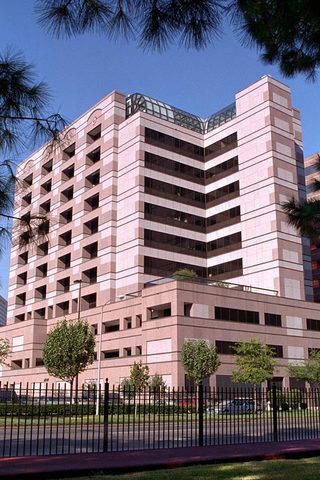
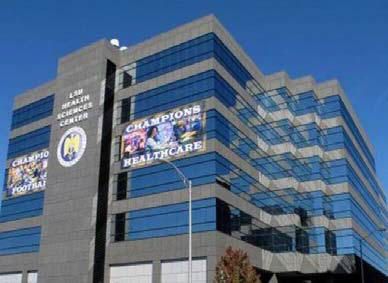
- Louisiana State University Health Sciences Center - Center for Acadiana Genetics and Hereditary Health Care (New Orleans, LA)
- Dr. Bronya J. B. Keats, Ph. D.
- Dr. Yves Lacassie, M.D.
- Dr. Michal Jazwinski, Ph.D.
- Dr. Sevtap Savas, Ph.D.
- Dr. Mary Z. Pelias, Ph.D.
- Judy LaBorde
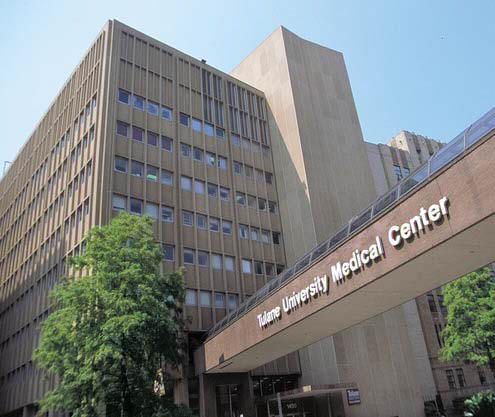
- Tulane University Medical Center Human Genetics Program (New Orleans, LA)
- Dr. Jess Thoene, M.D.
- Dr. Carols Garcia, M.D.
- Dr. Hans Andersson, M.D.
- Children's Hospital (New Orleans, LA)
- Dr. Alan Robson, M.D.
- Nicholls State University (Thibodaux, LA)
- Dr. John Doucet, Ph.D.
- Louisiana State University (Baton Rouge, LA)
- Dr. Mark Batzer, Ph.D.
- McGill University (Montréal, Québec, Canada)
- Dr. Charles Scriver, M.D.
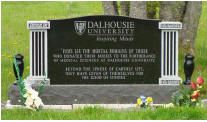
- Dalhousie University Medical School (Halifax, Nova Scotia, Canada)
- Dr. Peter R. Camfield, M.D.
- Dr. Wenda Greer, Ph.D.
- Dr. D. Christie Riddell, Ph.D.
- Dr. David M. Byers
- Dr. Paul E. Neumann, M.D.
- Boston College (Chestnut Hill, MA)
- Dr. Thomas Seyfried, Ph.D.
- Baylor College of Medicine (Houston, TX)
- Dr. James R. Lupski, M.D.
- Dr. Philip F. Chance, M.D.
An excellent website with information on Acadian Genetic Diseases is "Genetics and Louisiana Families" at: http://www.medschool.lsuhsc.edu/genetics_center/louisiana/
Recently Dr. John Doucet, Professor of Molecular Genetics at Nicholls State University, expressed the importance of Acadian families in research on genetic diseases: "Given our history of exile and displacement and isolation, generations of Acadian descendants should have little reason to trust other peoples. Yet we do. And, importantly, we trust genetic scientists. And by trusting geneticists, we help people around the world understand those same genetic disorders that run in our own families. For this reason alone, I think that Acadians are the most selfless people on earth."