Alpine Skiing And My 2010 Winter Olympics Experiences
For a young man growing up in Northern Ontario there is only one sport and that of course is hockey. This applied to me as well, further as a French Canadian there was only one team to cheer for that was of course Les Canadiens de Montréal. I was always interested in skiing but coming from a non-skiing family of modest means, skis and the sport of skiing were out of the question. I am what you would call a late comer to the sport. My first taste of actually getting on skis was not until I was 16 years old. The vicar of our parish, Ste. Agnes in Azilda, Ontario, was a big skier. He convinced our Catholic youth club to build a ski area. We cleared the bush to make a few ski runs and converted the rear end of a 50 something vehicle to act as the drive for a rope tow. That is where I learned to ski. From then on I basically stopped playing hockey, gave up the typical dream of making it to the NHL and becoming a professional hockey player. After all I had hockey in my genes not only on the Labine side with Leo Labine my hero playing for the Boston Bruins and the Detroit Red Wings, but on my mother's side there was Aurel Joliat, a cousin, who played for the Montreal Canadians. From then on there was only one winter sport and I skied with passion and worked very hard at improving my skiing skills. I became quite good at it. I only dated girls that also loved skiing. When I was in university, winter dates consisted of only skiing dates.
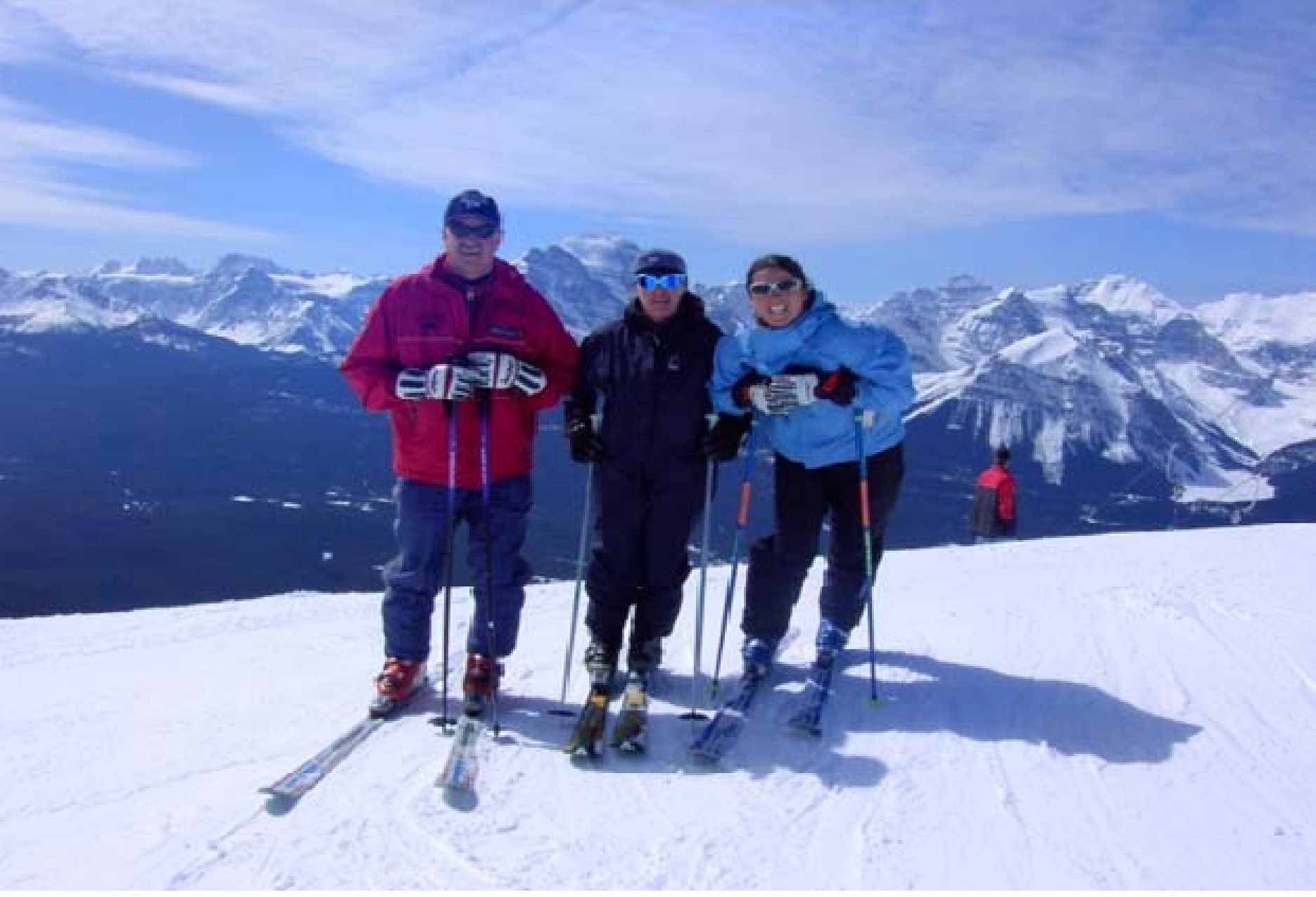
I married a gal who was as passionate about skiing as I was, our vacations consisted of ski trips wherever we could afford. When our two kids were old enough they were on skis as soon as they could walk. We taught our kids the love of skiing and every winter weekend wherever we lived we would ski. I never got involved in ski racing until our two children asked if they could start ski racing. That is when I also started to race. My involvement in ski racing as a parent was to be a volunteer course worker and official. In 1990 I was transferred by my then employer Shell Canada to its head office in Calgary, Alberta. This was our 10th transfer in 20 years where we have to sell our house, pull up roots and resettle into a new area. At that time both our children were 12 and 14 respectively, usually very difficult ages to relocate teenagers.
As we are all passionate skiers, moving to Calgary and close to the Canadian Rockies and the best skiing in Canada was an easy "relocation sell".
This was two years after the very successful 1988 Calgary Winter Olympics, I had regretted not moving to Calgary earlier as I was offered an opportunity to move to Calgary from Toronto in 1984, for personal reasons I turned the opportunity down. Now we are in Calgary and soon became immersed in more recreational skiing, powder with steep and deep conditions and of course volunteering at ski races. Little did I know in the early 90's that the experience I was acquiring in ski racing would pay off for the 2010 Winter Games.
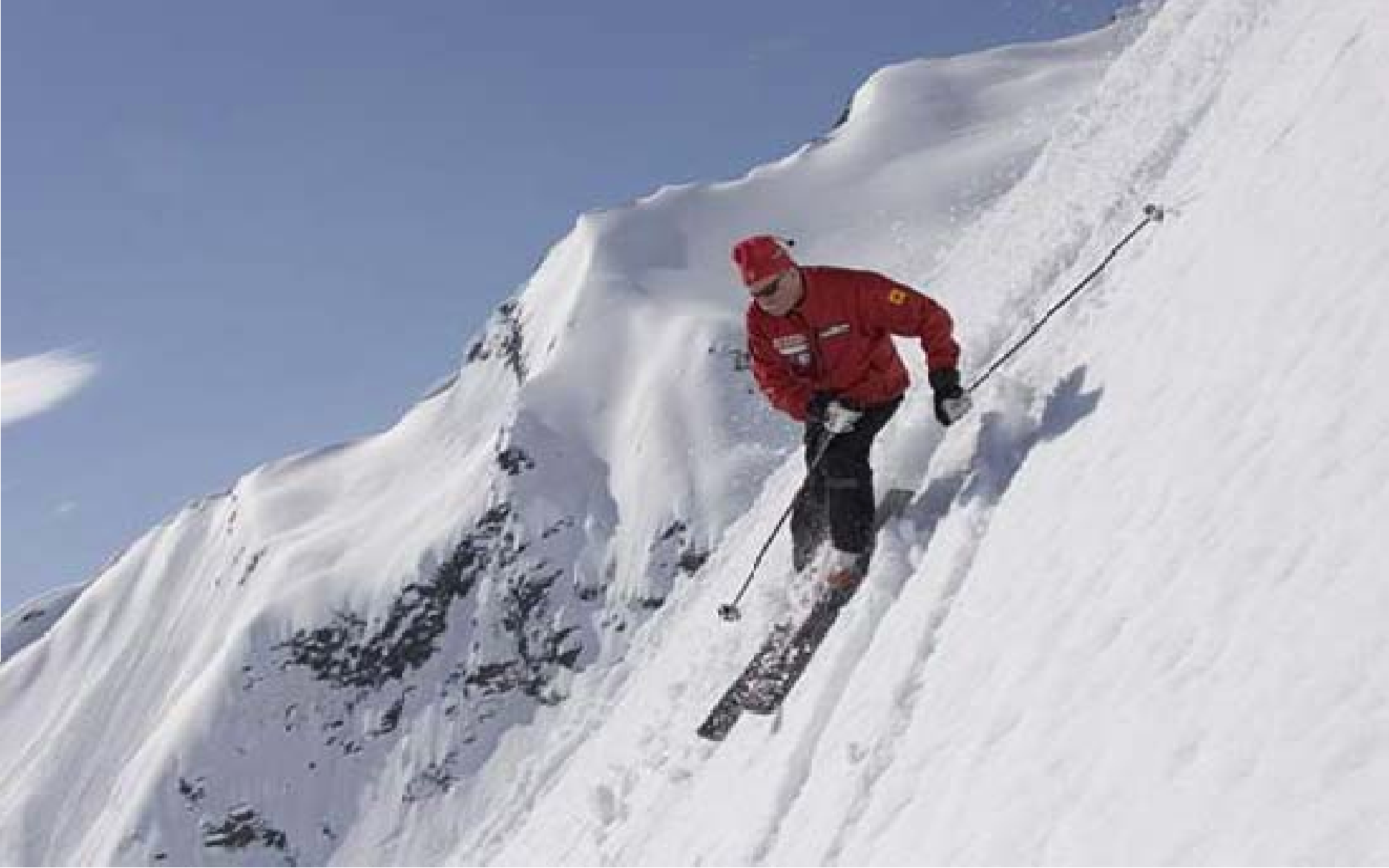
For those of you that do not understand Alpine Ski Racing let me give you a brief Coles notes version. Globally, ski racing falls under the Fédération International de Ski referred to simply as the FIS. All rules, disciplines, programs, standards starting from club racing all the way to the Olympics falls under FIS regulations. Alpine ski racing falls under two disciplines; A) Speed Events and B) Technical Events.
Speed events are either Downhill where skiers can reach speeds of up to 140 km per hour (85 mph) or Super G. Technical events, which are Slalom or Giant Slalom, have slower speeds but require much quicker and more precise turns. So from 1990 to 2010, I have been involved in ski racing, through FIS I took courses on rules and standards. I worked at many ski races with my wife Susan and allowed our children to grow in their favourite sport. Both our daughter Mélanie and son Robie did very well winning many races and both competed at national and international events.
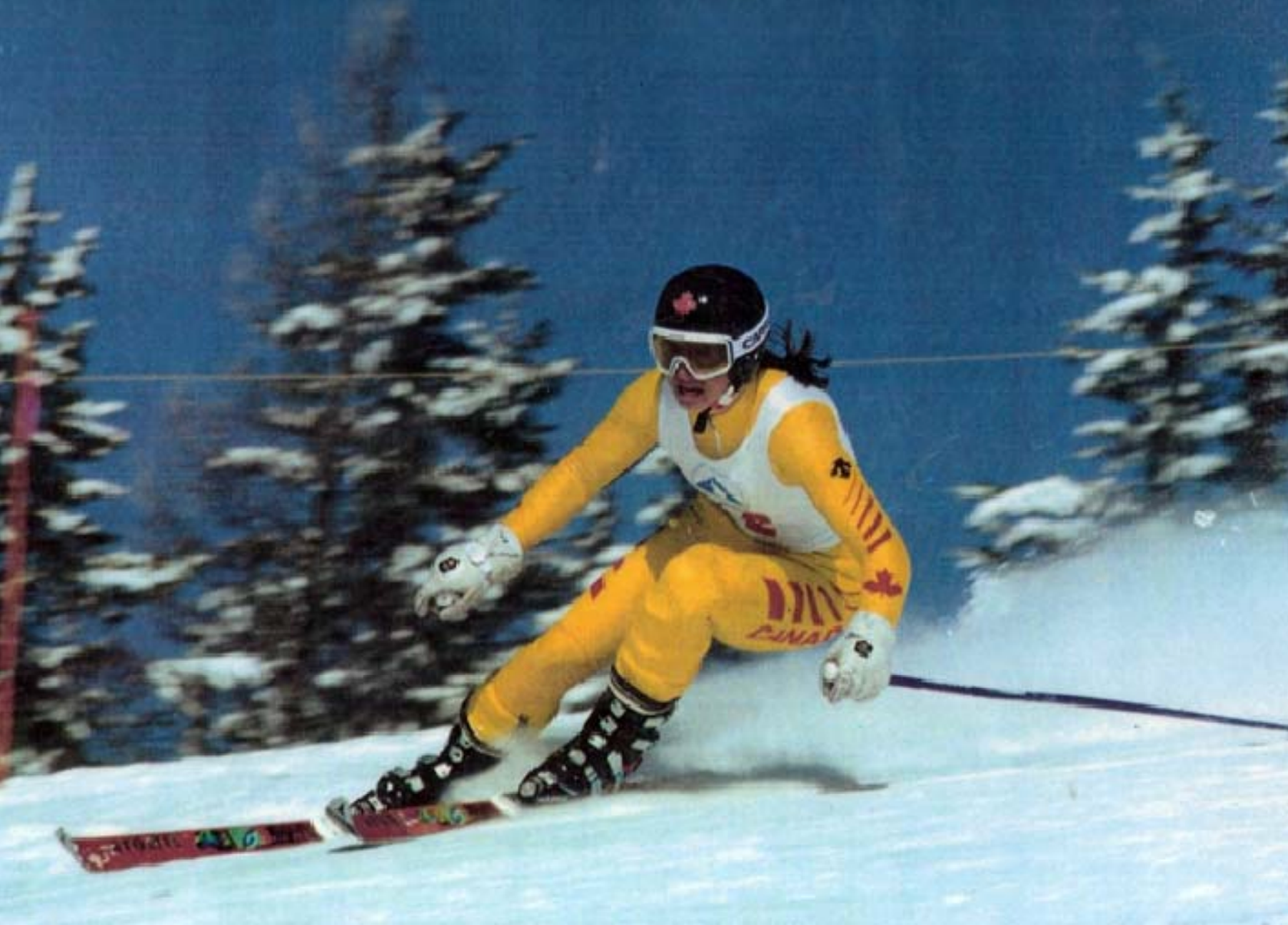
This is a picture of Mélanie in a Downhill event at Whitefish Montana where she won the event. Somewhat disconcerting to see your kids going by at over 80 miles an hour!! As course worker and as an official I also grew, I got involved in World Cup races at Lake Louise Alberta and even on a European business trip I worked as a volunteer at the FIS world championships in 2005 in Bormio, Italy.
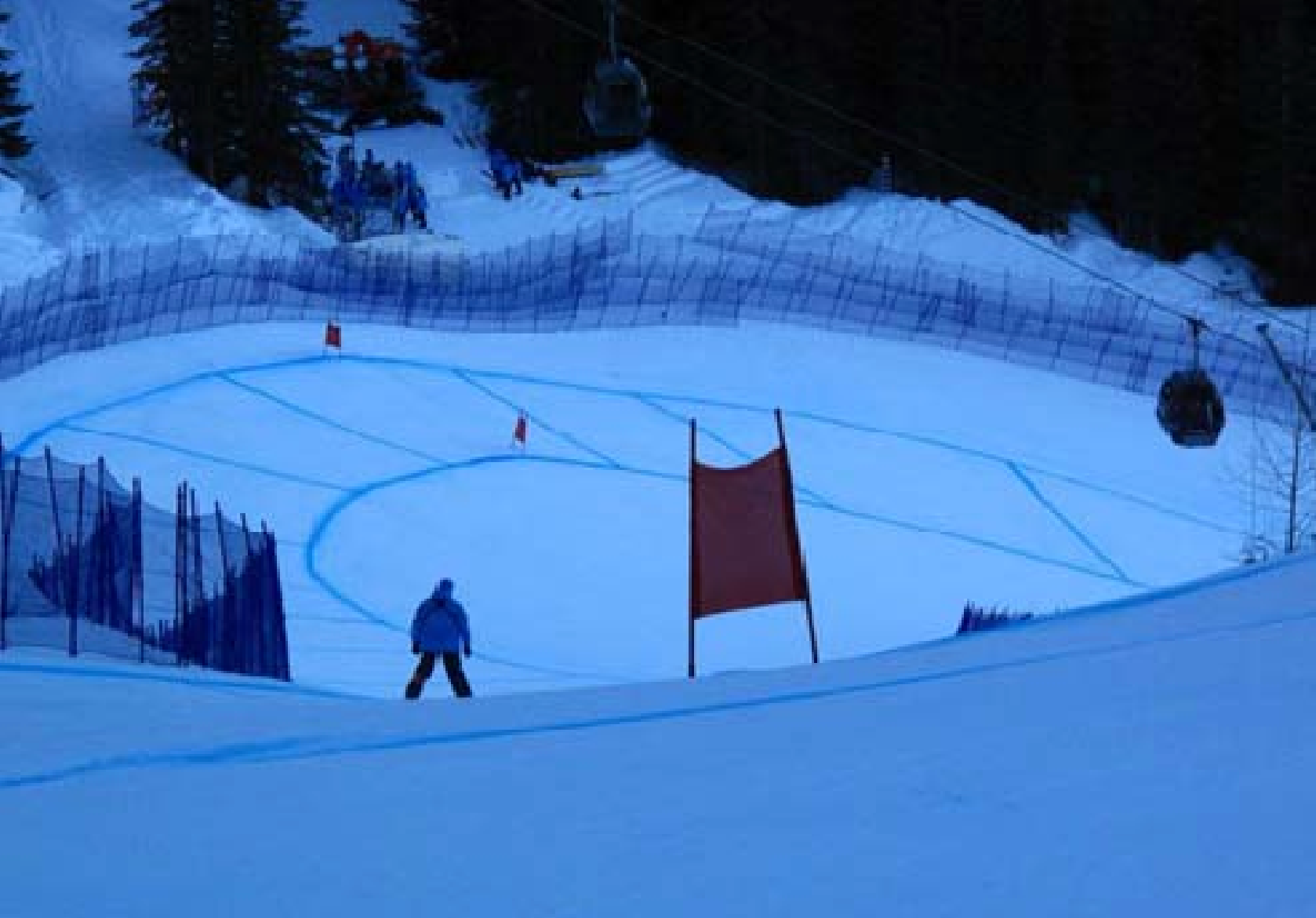
Working as a volunteer means getting up on the mountain early in the morning darkness putting up safety fencing, removing excess snow and basically ensuring the track is safe and fair for all competitors. This is whether it is a club race for children or an Olympic event. Something that may surprise most of you but at World Cup or Olympic races we actually inject the track with water. For those of you that do ski and hate icy conditions with no loose snow, you would be scared silly on one of these tracks. Ski racers like the downhill track icy and hard as they ski from ski edge to ski edge.
So after many years of dedicating my time to ski racing and growing as an official in the sport, I was one of several hundred volunteers, out of thousands that applied, selected to work as a volunteer for the 2010 Winter Games and the Alpine events held in Whistler, some 110 kilometres north of Vancouver.
Once I was selected as a volunteer I had to go through extra security checks, I was interviewed by the Royal Canadian Mounted Police, my past checked out and given a security clearance. With my experience and knowledge I was asked to be an Alpine Coordinator and a Crew Chief. As an Alpine Coordinator I would be given work to be done by the Chief of Race, Chief of Course, or FIS officials, I would prioritize and assign to one of dozens of Crew Chiefs. As a Crew Chief, I would lead 8 to 10 volunteers to accomplish tasks of putting up safety netting, water injecting and removing excess snow.
Being an owner of a consulting company and with my partner agreeing, permitted me to spend almost two months away at the Olympics as I planned to also work at the Paralympics. Prior to the actual Olympics there are months even years spent in preparation.
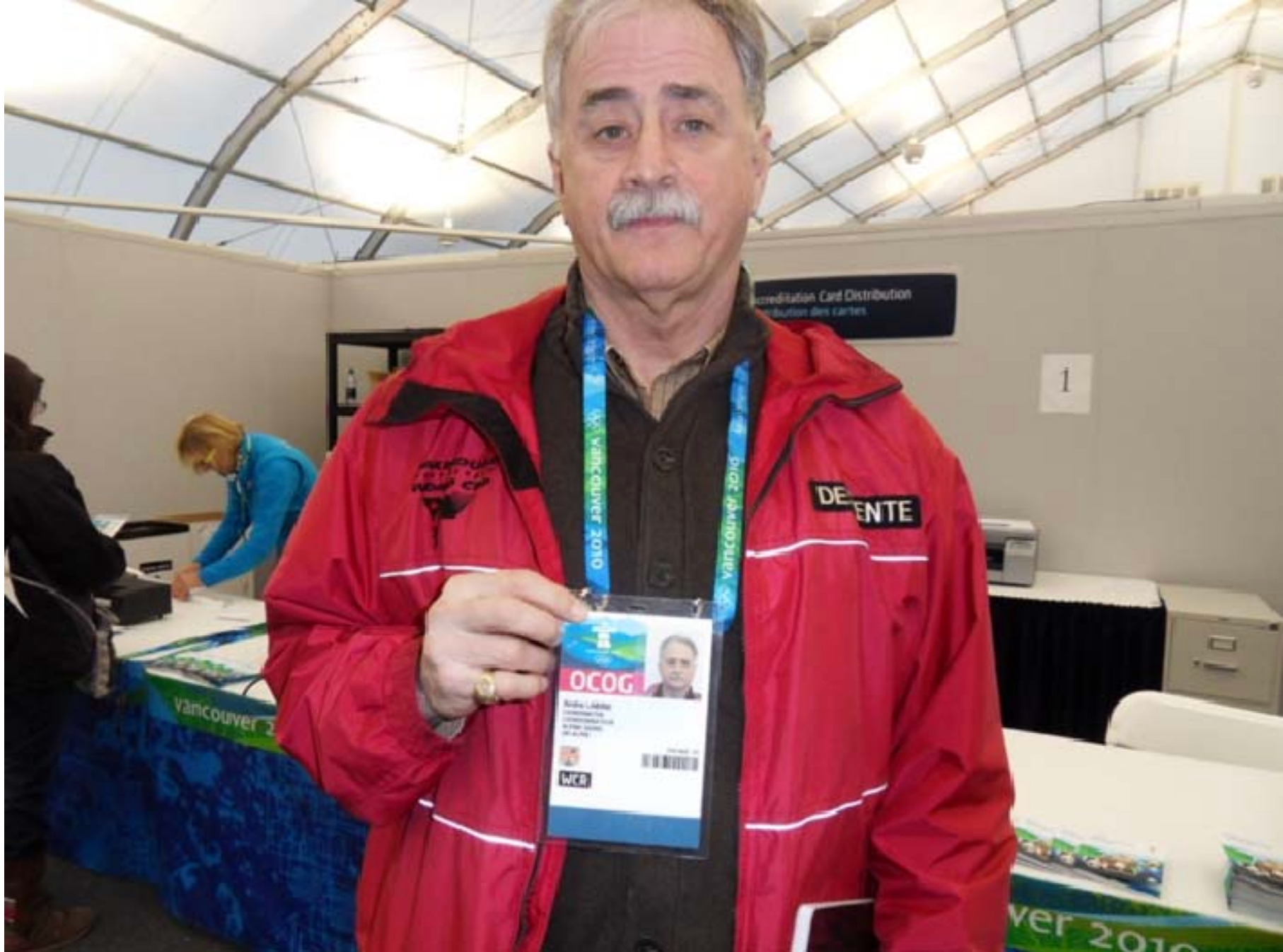
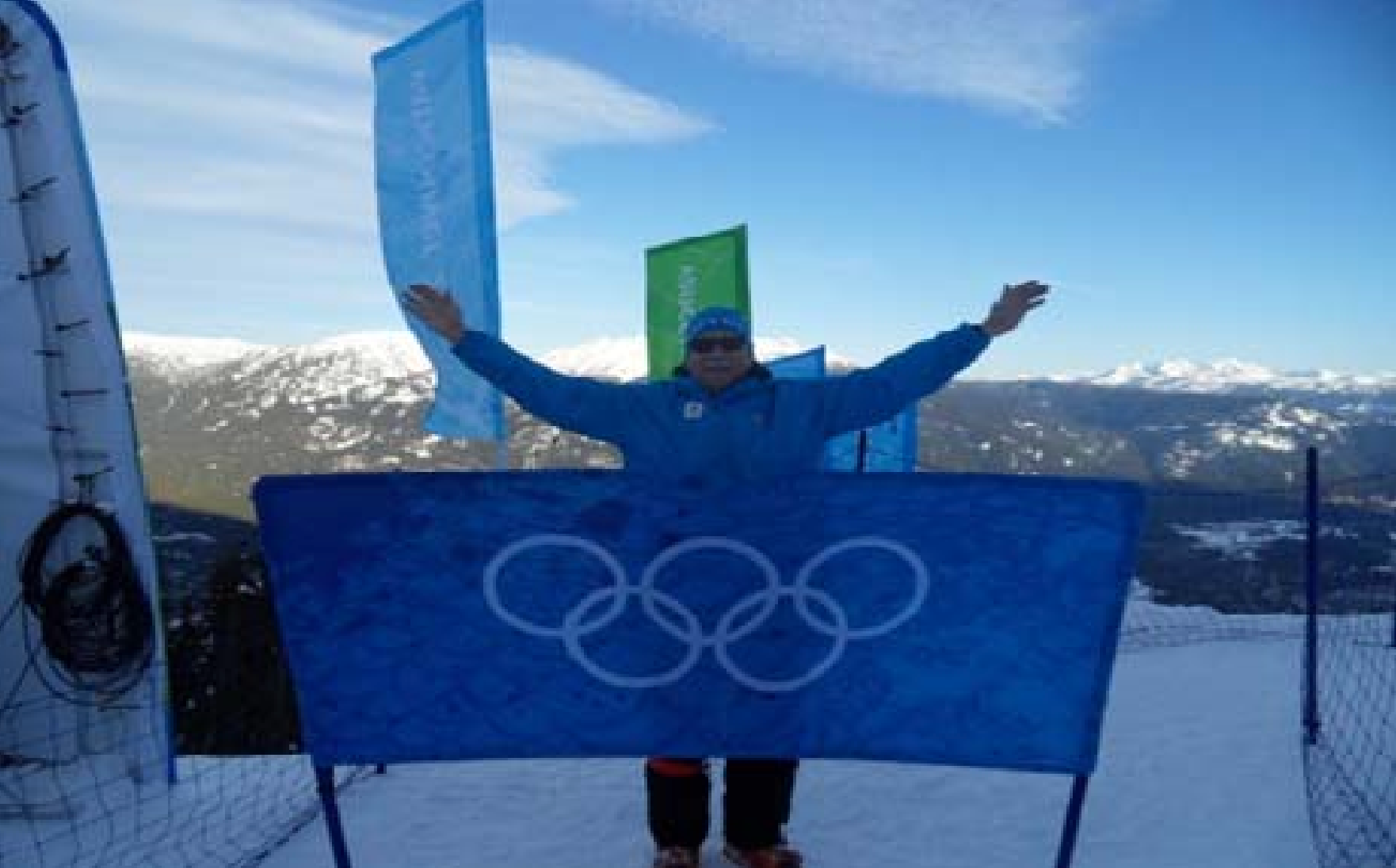
As for my work, I arrived with the core group some two weeks prior to the Olympics to complete installing the safety fencing. The safety fencing is designed to either decelerate a racer who goes off course or to deflect the racer back on course. Both systems are designed to prevent injury to the athlete, remember top speeds can be up to 140 kilometres per hour. What I have enjoyed most about working at World Cup races are the friends I have made over the years. VANOC (Vancouver Olympic Committee) took good care of the volunteers, not only providing the uniforms (we called ourselves Smurfs, due to our blue jackets), but providing accommodations, breakfast and lunch. I stayed with the same folks that I have stayed with for the last 15 years of working at World Cup races. VANOC provided us with a condo and we took turns cooking dinner. We would often potluck with other condos and these were evenings of fun, laughter and serious wine and beer drinking.....not so much as you had to be on the mountain by 5:00 AM most mornings.
Every morning had its usual routine, go through security (same as airport security), smile at all the cops and security personnel, check in with volunteer accreditation, pick up your gear, have a quick hot breakfast and head up the mountain to your assigned work location.
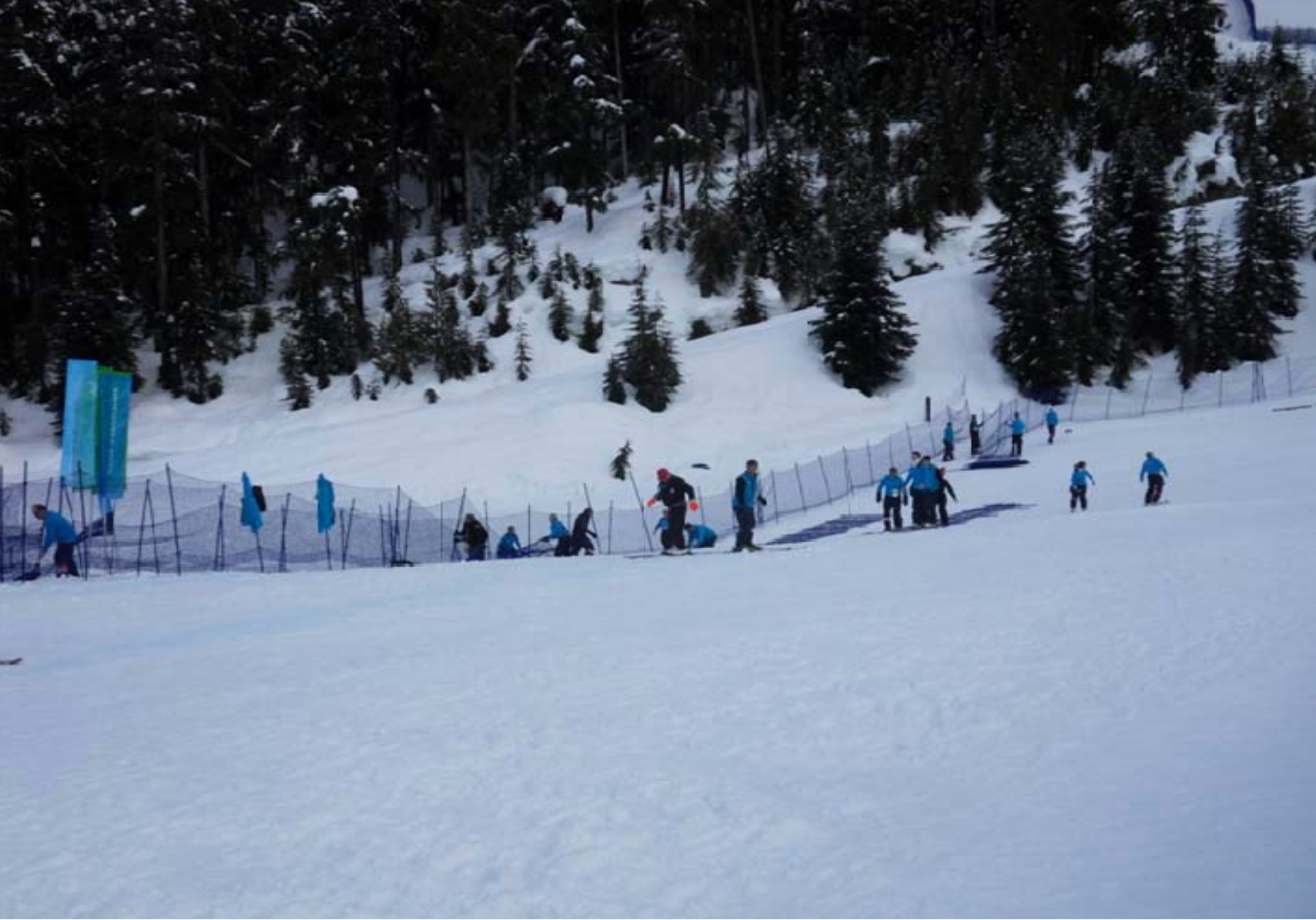
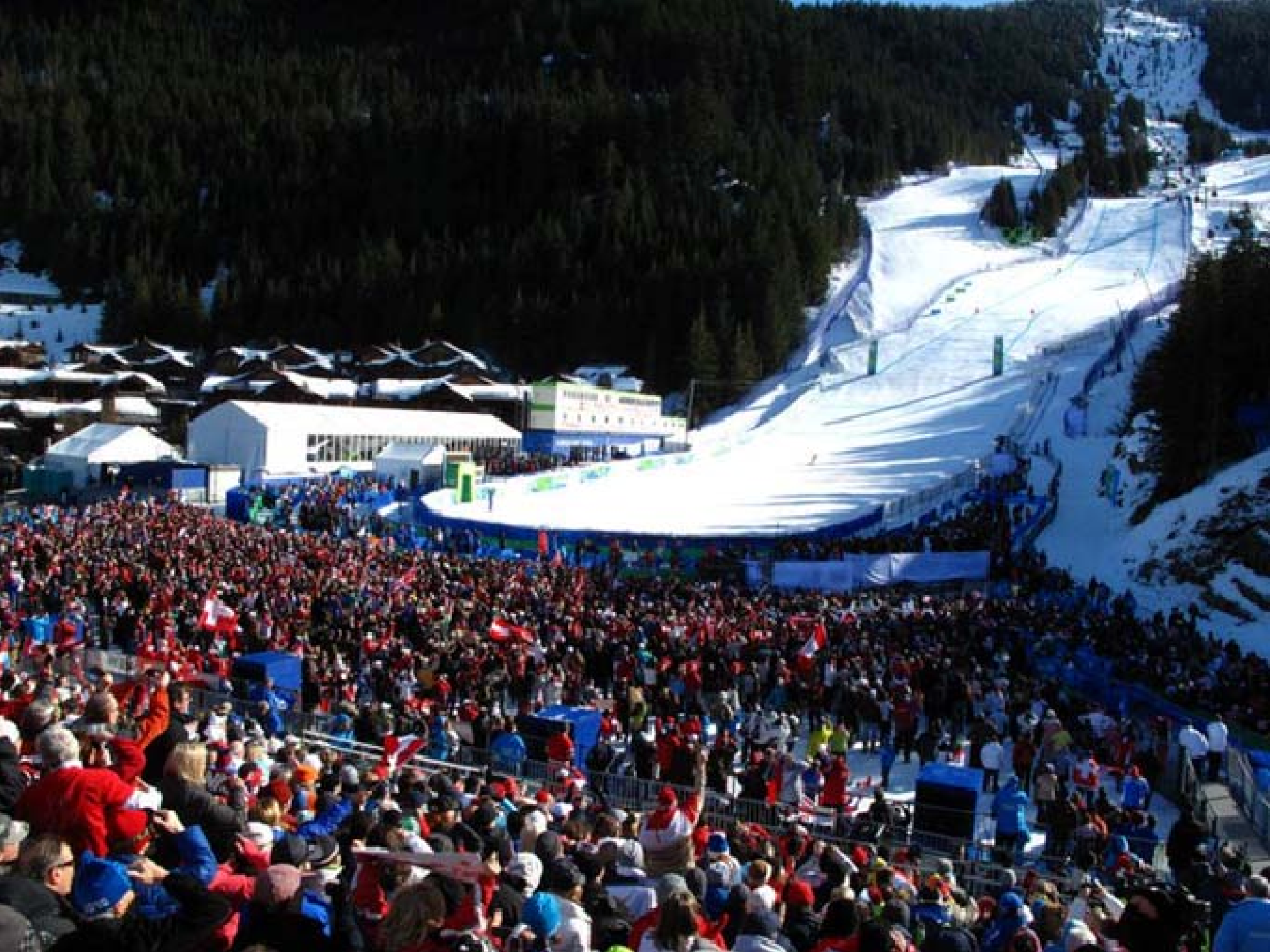
The alpine events consisted of a separate women's and men's track with a common finish area, so each day there was either a training run or an actual race on one or the other sides. As there was one common finish area, when one side was competing, the other side was doing course work. The single biggest issue was weather; Mother Nature did not cooperate during the Olympics as we had very unseasonable warm weather. If it was raining at the bottom of the mountain for sure half way up it would turn into snow meaning hours of snow removal, by hand or with snow blowers. On a typical day we would come down the mountain at night fall with some lucky few having to work through the night. I am always impressed by the dedication and hours spent working by volunteers, this was multiplied tenfold at the Olympics. Without dedicated volunteers these Olympics could not have happened. 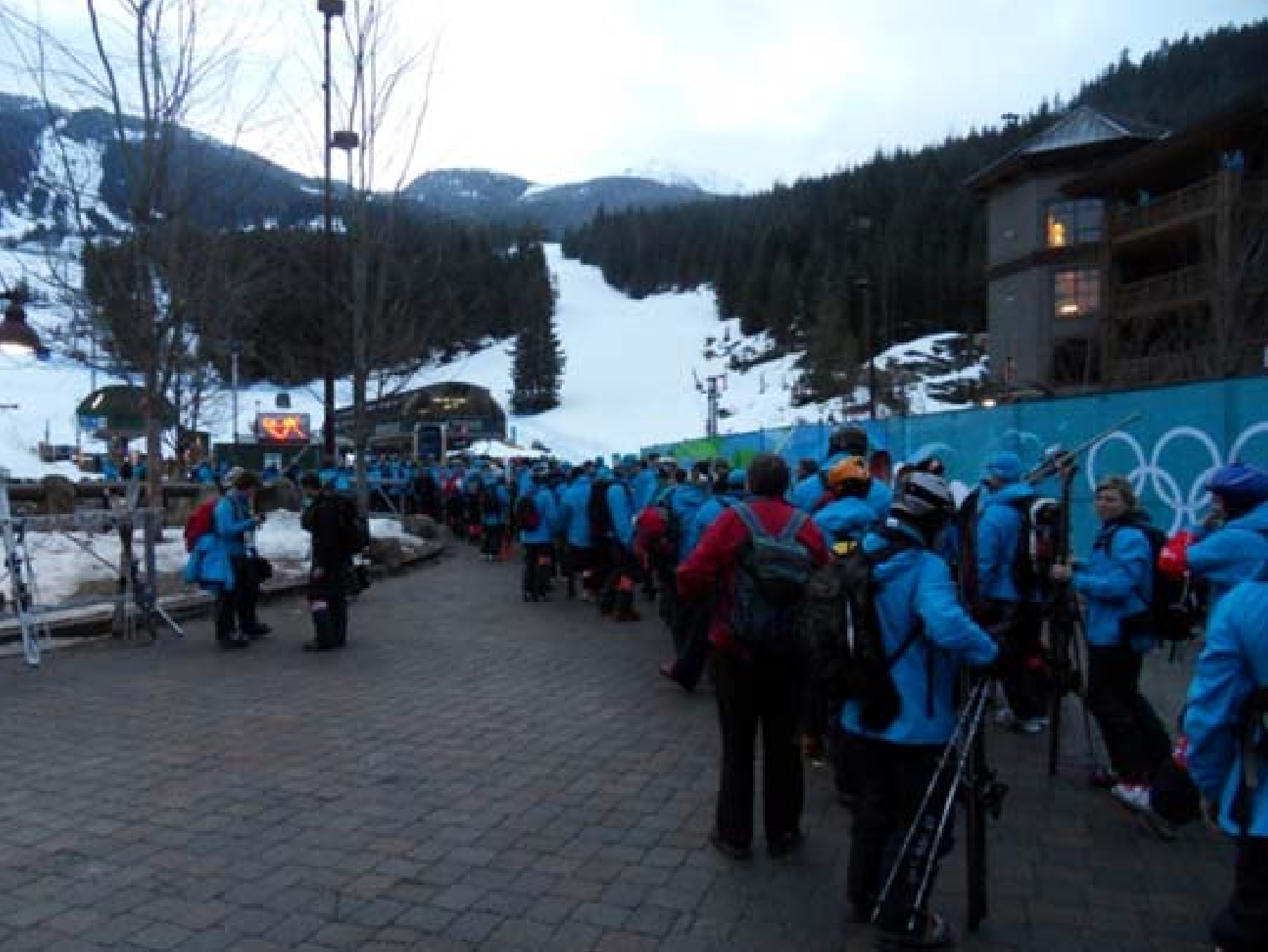
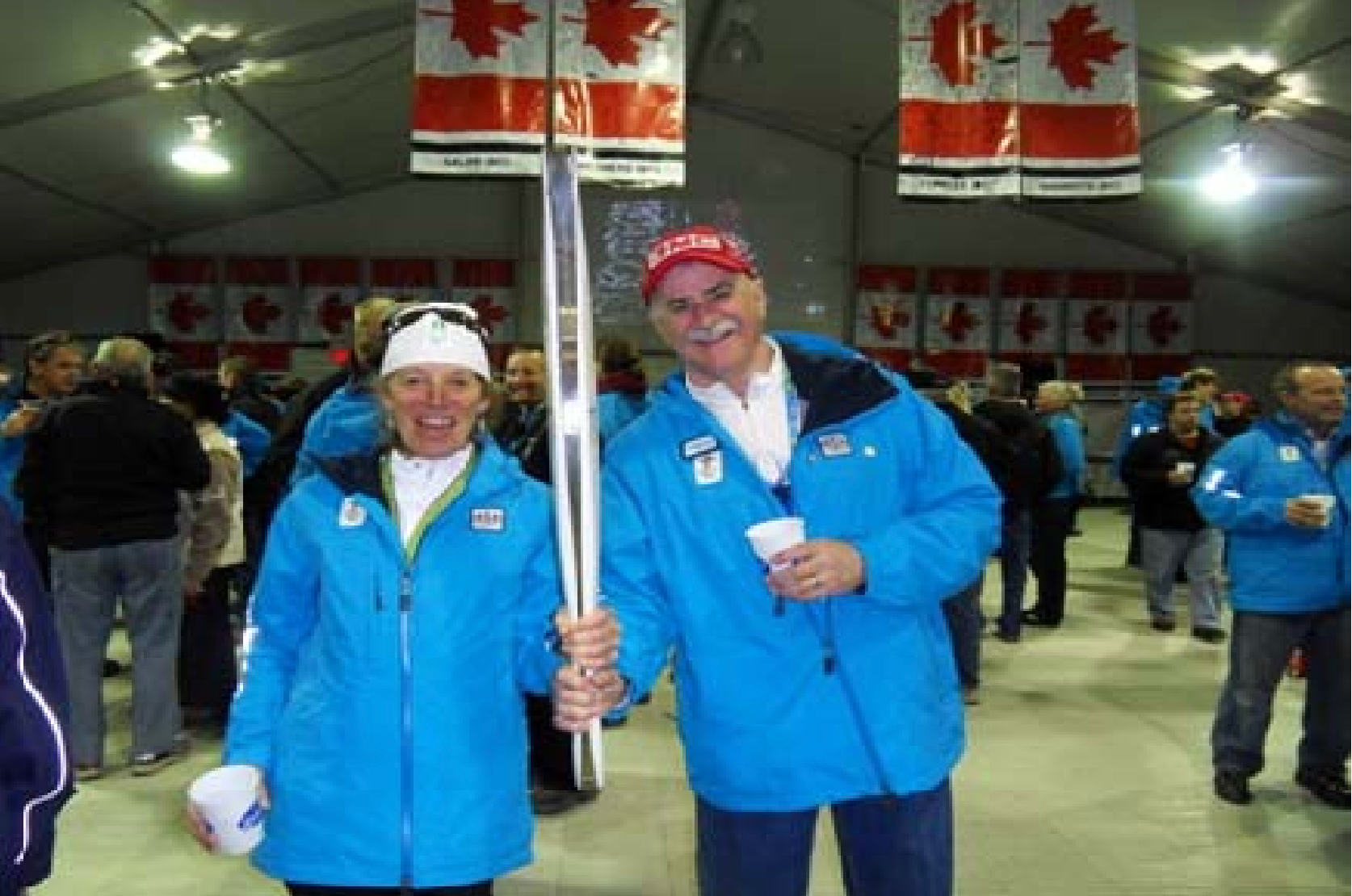
I mentioned before what I enjoyed about ski racing is working with friends and partying with them. There were two main groups working at the Olympics; The Sled Dogs from Alberta and The Whistler Weasels from BC. Both groups were joined by 100's of folks from the USA and around the world. The first day that a volunteer arrives, he or she has to go through a safety and protocol briefing. At this meeting (in my case) of some 300 volunteers, we were all asked to stand-up, then Canadians were asked to sit down, then Americans, leaving some 50 folks still standing. These folks standing were then asked to state the country they traveled from, I was amazed to hear countries from as far away as Russia, Japan, Australia, and Chile plus many more. This was truly a global effort that brought mankind together for one purpose; to put on the best event ever and have the best facilities for competing athletes.
Being a course worker, allowed you to mingle shoulder to shoulder with the athletes, one of the few sports that allow volunteers to do this. As athletes are inspecting the race course or track, they are going right by the volunteers who are doing course work, (of course during the event everyone is in a safe position out of harm's way). Safety is probably the most important factor in consideration during an alpine event.
Safety not only for the athletes, but also the officials and volunteers. When you have a 225 lb athlete going by at 85 miles an hour, it would be a disaster and deadly for all if due to some inattention one of the racers collided with a volunteer on the course! Although a lot work was performed everyday, at the end of each day we would gather at the official volunteer reception center called The Weasel House to celebrate the achievements and successes of the day and to quaff some draft beer for a couple of hours. Often FIS or Olympic officials, and athletes would drop by to thank us for our hard work.
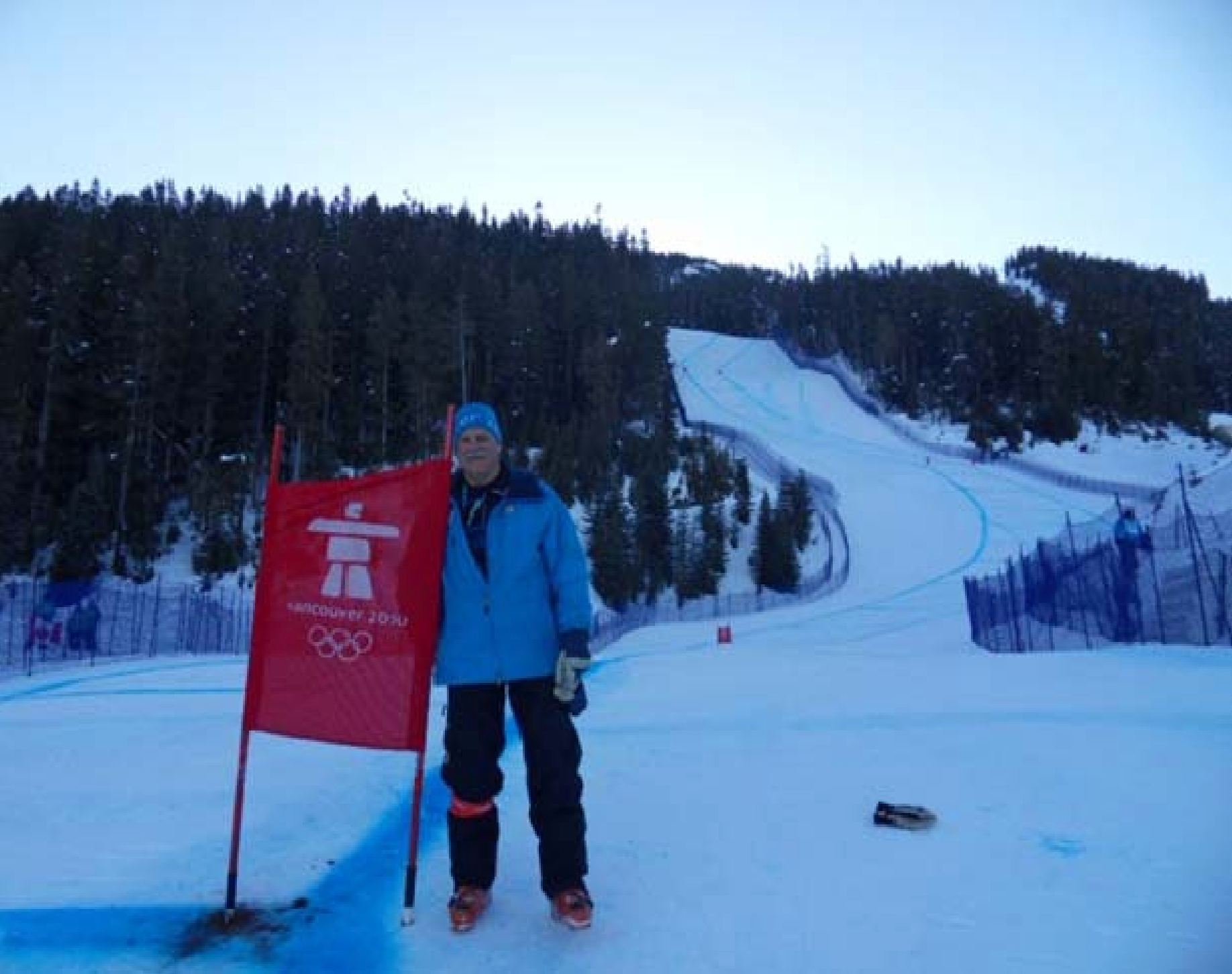 On a few days we had so much snow fall in the alpine that we could not take it off the track fast enough so the managers took most folks off the mountain and let the rest of us take the day off.....most of us took off skiing in powder like a bunch of little kids! Some had tickets to other events and took those in; after all we were all there to celebrate winter and sports.
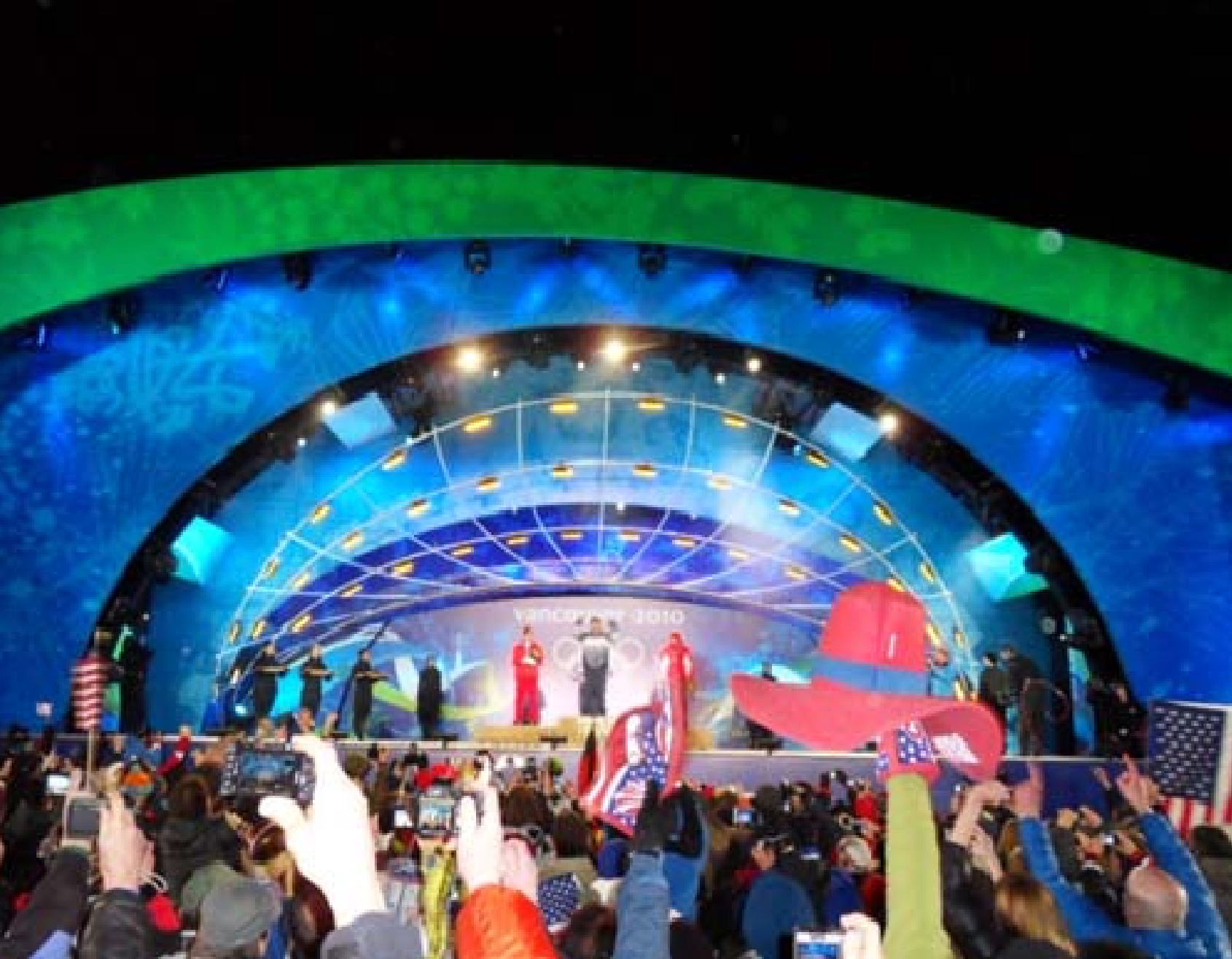
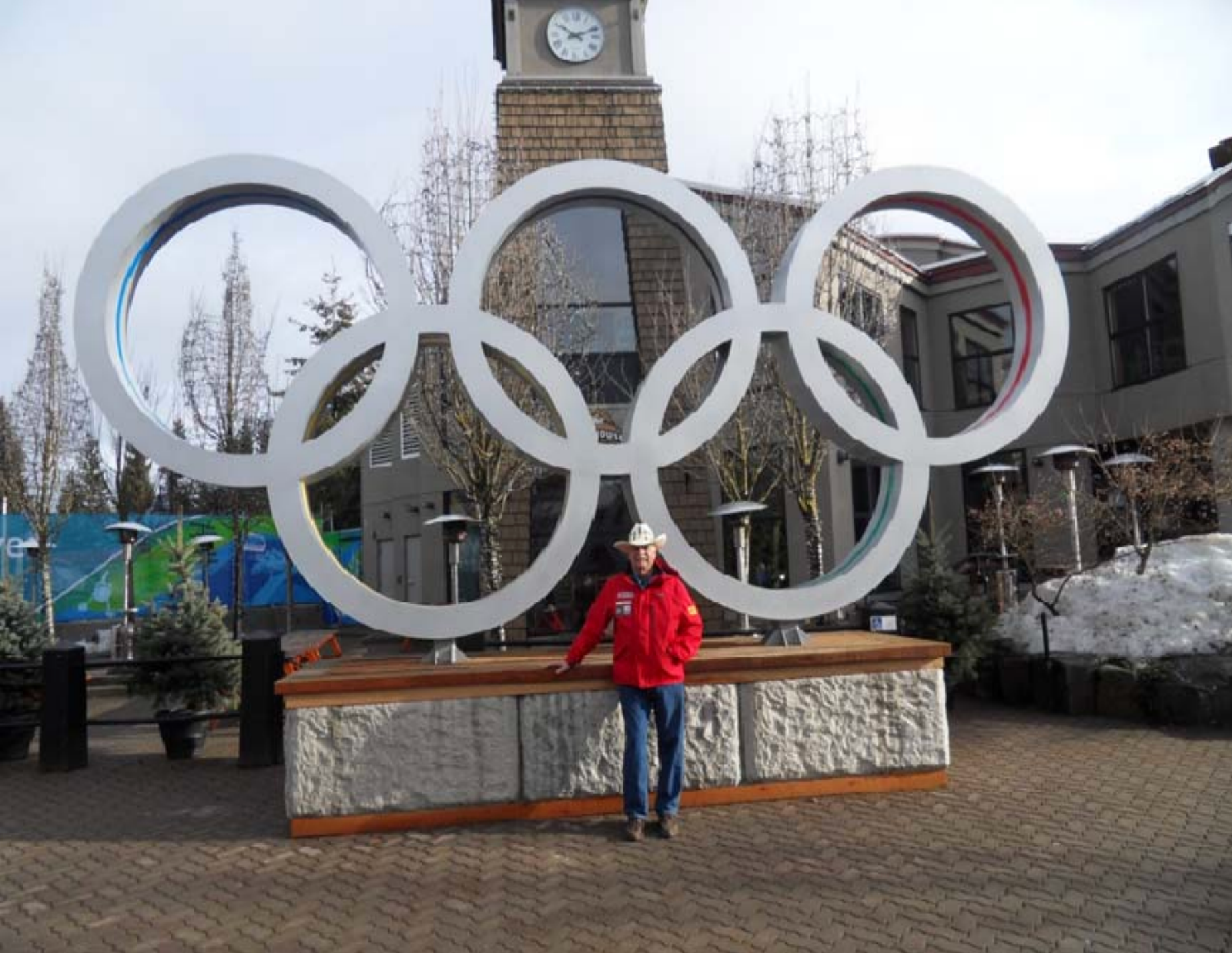
Whistler Village was turned into a magical international place with many events, other than the actual winter sports, to see. There was always an orchestra playing somewhere, some party going on at a nation's reception house or impromptu festivity by some crazy fans of a sport. Every evening there were the medal presentations and the raising of the flags of the podium winners, a very proud moment for all.
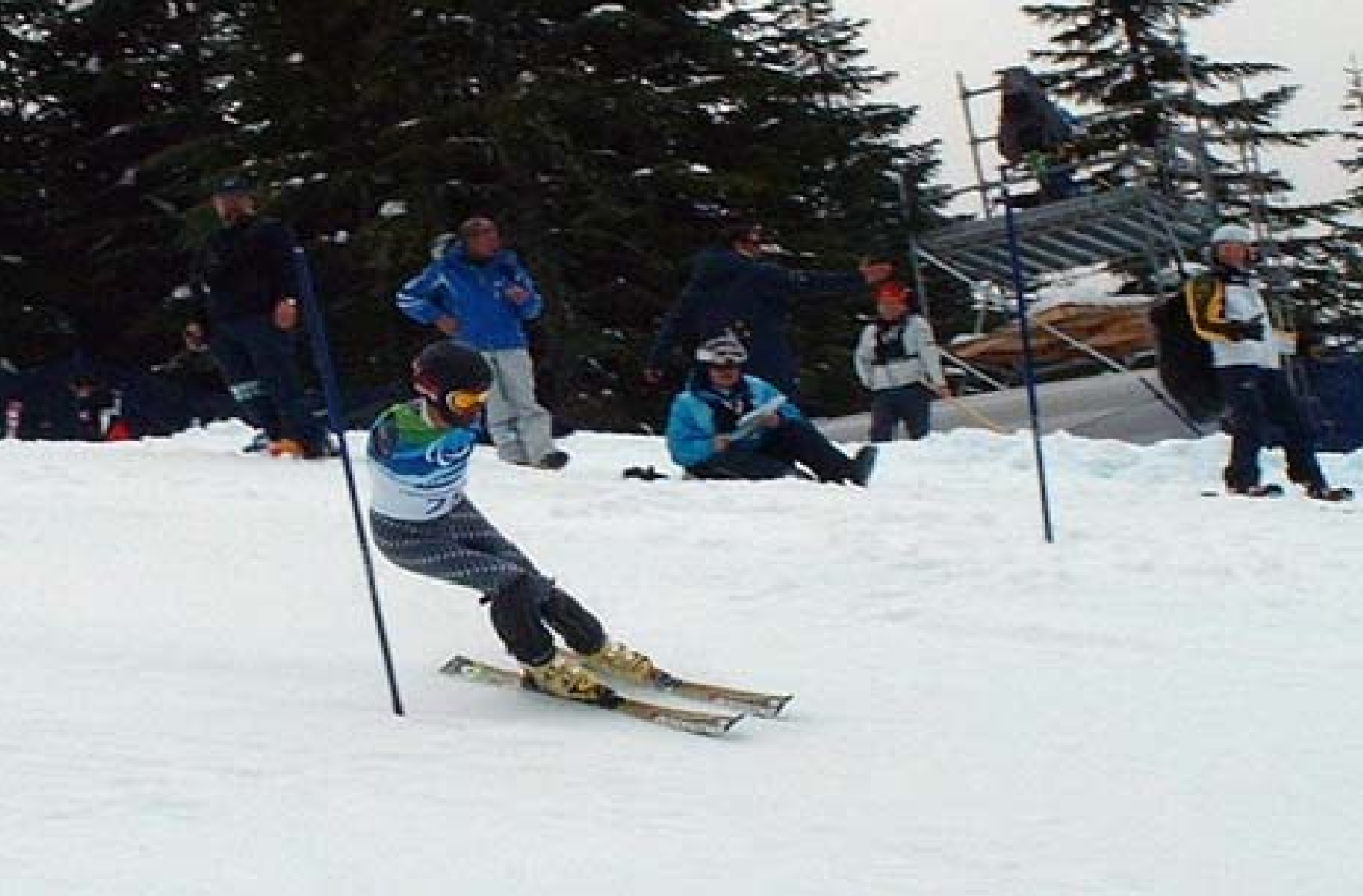
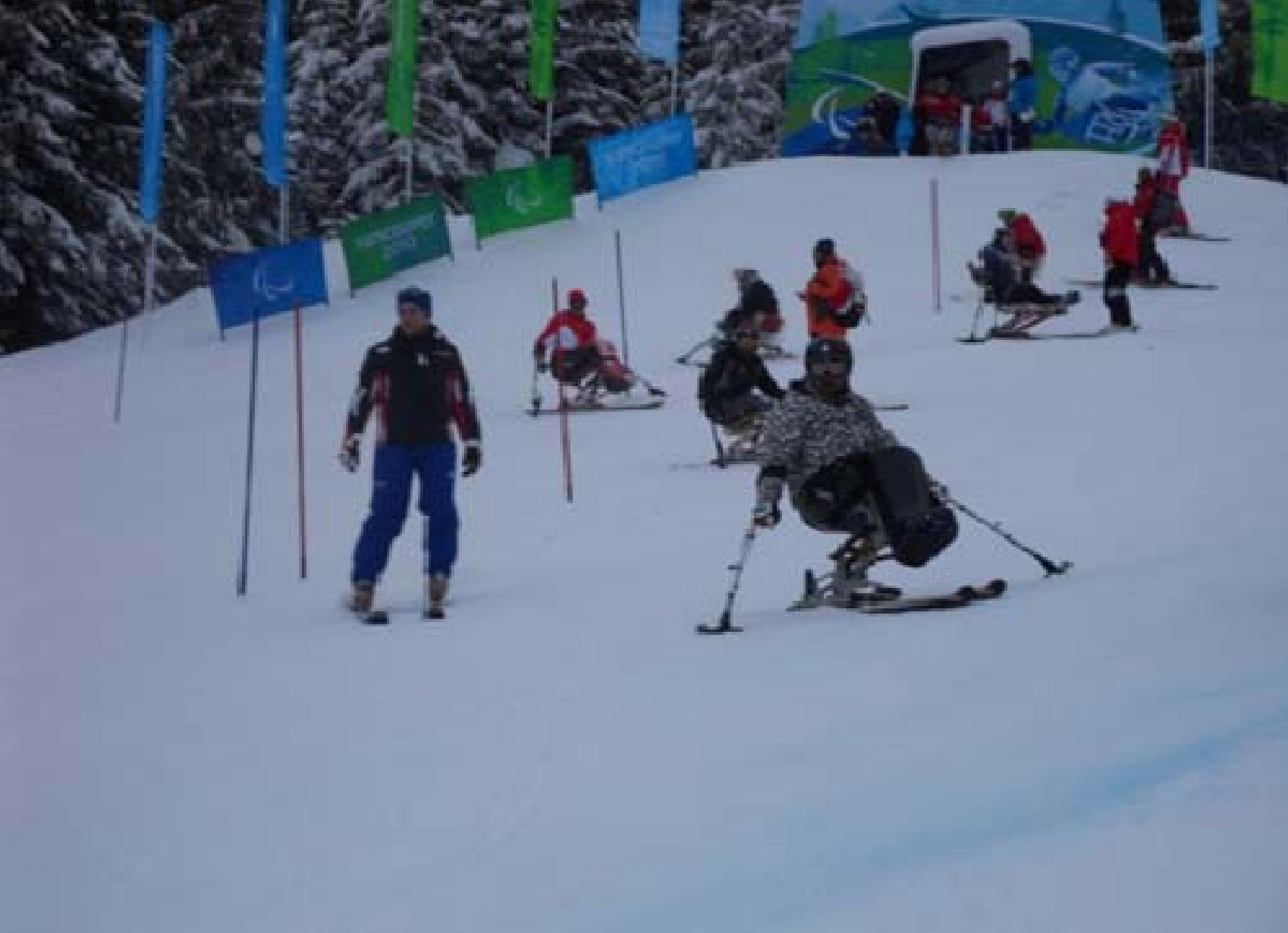
The Paralympics was also a fantastic event, a little toned down than the Olympics but in some ways you were much closer to the athletes and they seemed more appreciative of the work performed by the volunteers. After seeing these athletes I believe there is no such thing as a handicap. Visually impaired skiers and sit-skiers (these are paraplegics or those with limbs missing) were clocked at 130 kilometres per hour, during the speed events. Some of these athletes had limbs missing yet still competed at an incredibly high level. The most heart warming moment I saw was a skier with no arms fall during a race, volunteers or officials are not allowed to help or else the athlete would be disqualified. So we all watched this athlete struggle and get himself up and continue to race down the course. He of course did not win, but victory was not important; it was the struggle to compete and complete the event, which he did with loud cheering from everyone!
My Olympic experience is something that I will never forget. I renewed friendships and made new ones from all over the world. I had moments of extreme joy and extreme exhaustion. I had tears in my eyes watching athletes, especially para-athletes, put it all on the race course in their attempts to win their Gold medal. I was very proud as to the great spectacle that Canada and the thousands of volunteers were able to put on for the rest of the world to enjoy.
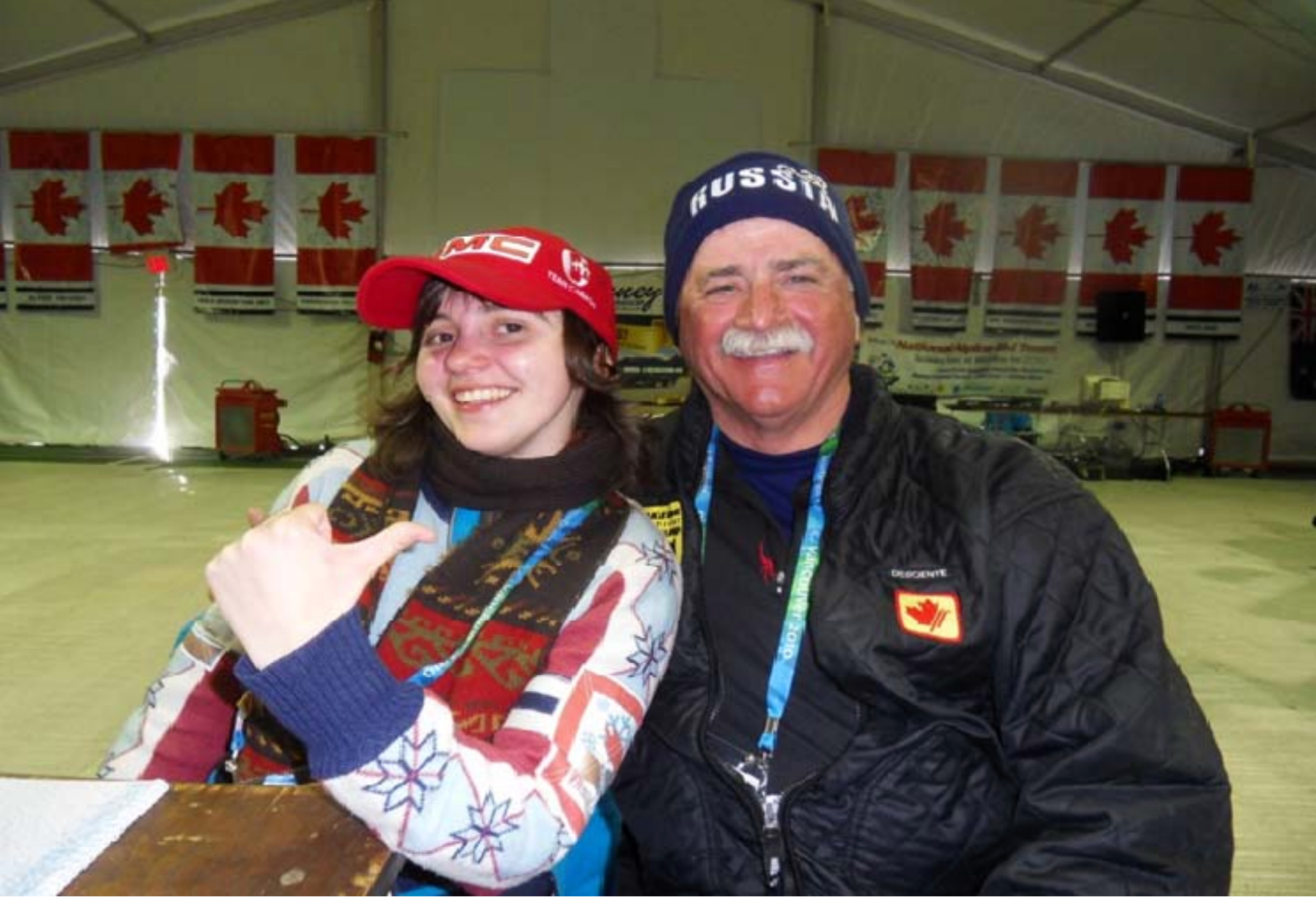
My goal now is to be able to work at the next Winter Olympic Games which are to be held in 2014 in Sochi, Russia. I am already studying the Russian language; if I become fluent this will be my fourth language. I have already started networking to accomplish my goal. Russia sent many young Russians to learn and observe and to gain experience as to what is required to host a successful Olympic event. In the following photo I am trading hats with a young Russian volunteer; I gave her my Canadian Alpine Ski Team hat and she gave me her Russian tuque ("tuque" is Canadian for winter hat).
I hope I have given everyone, especially those that do not have much experience with winter and winter sports, an appreciation of the magic of winter and alpine ski racing especially my experiences with the 2010 Winter Olympic Games.
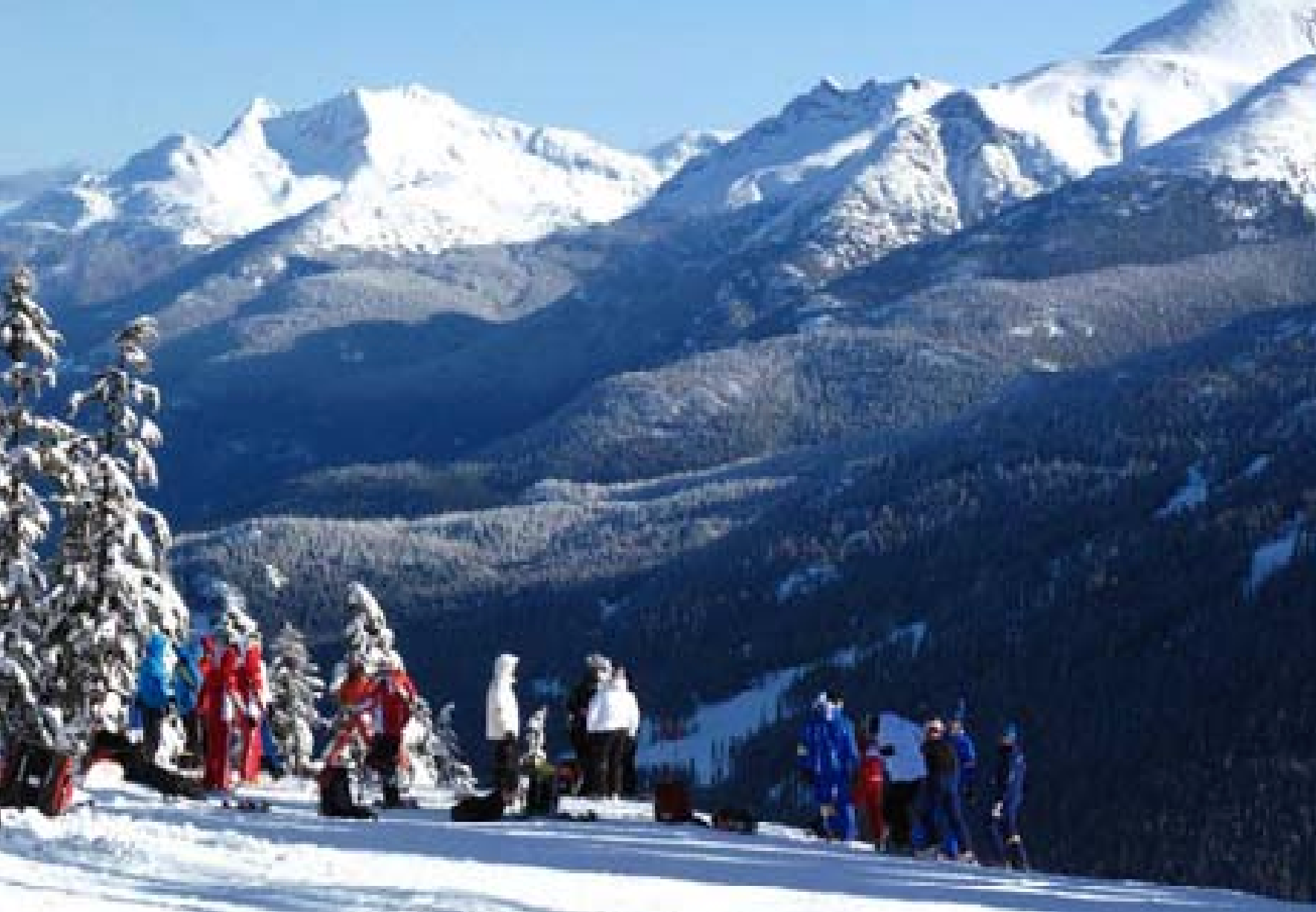
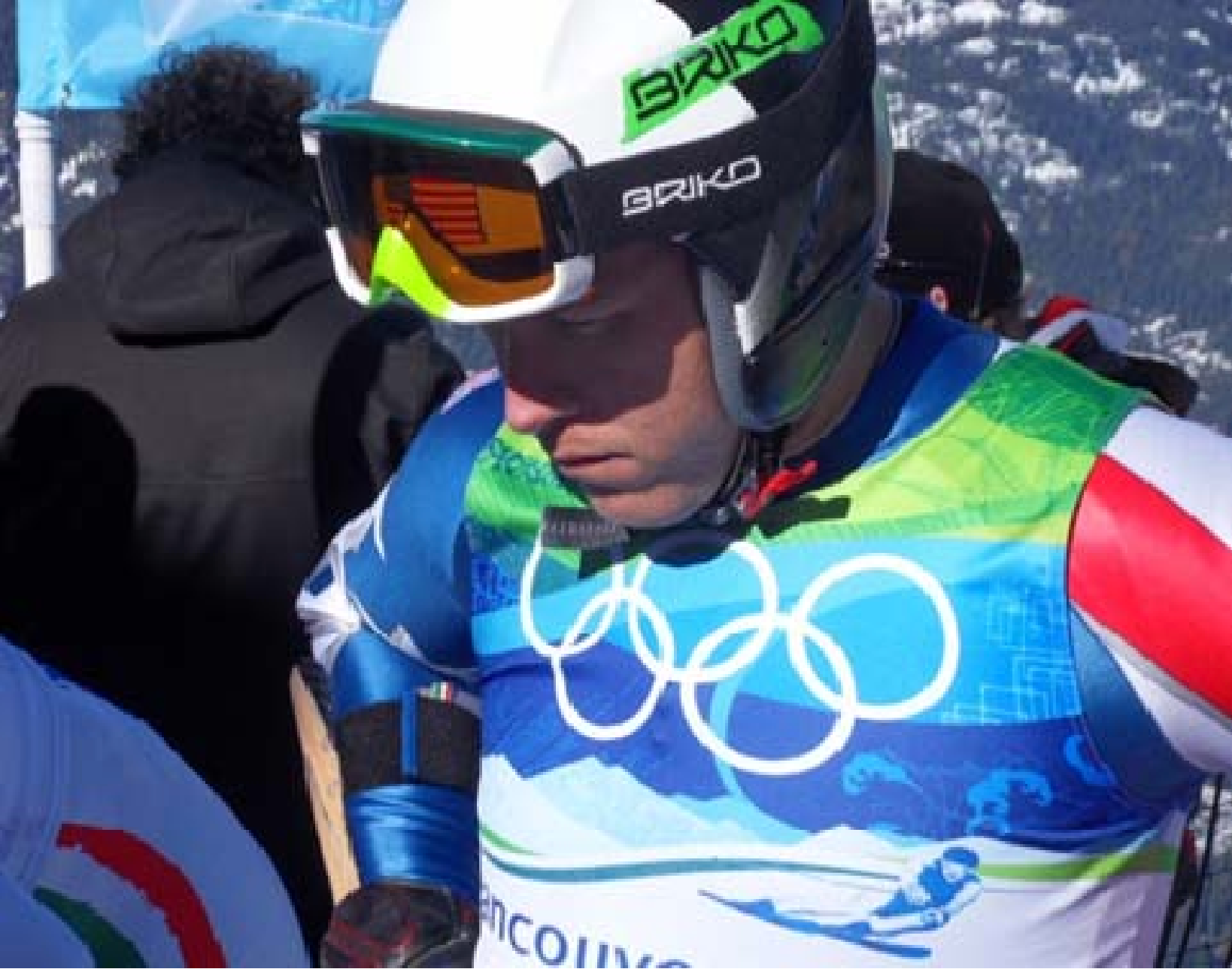
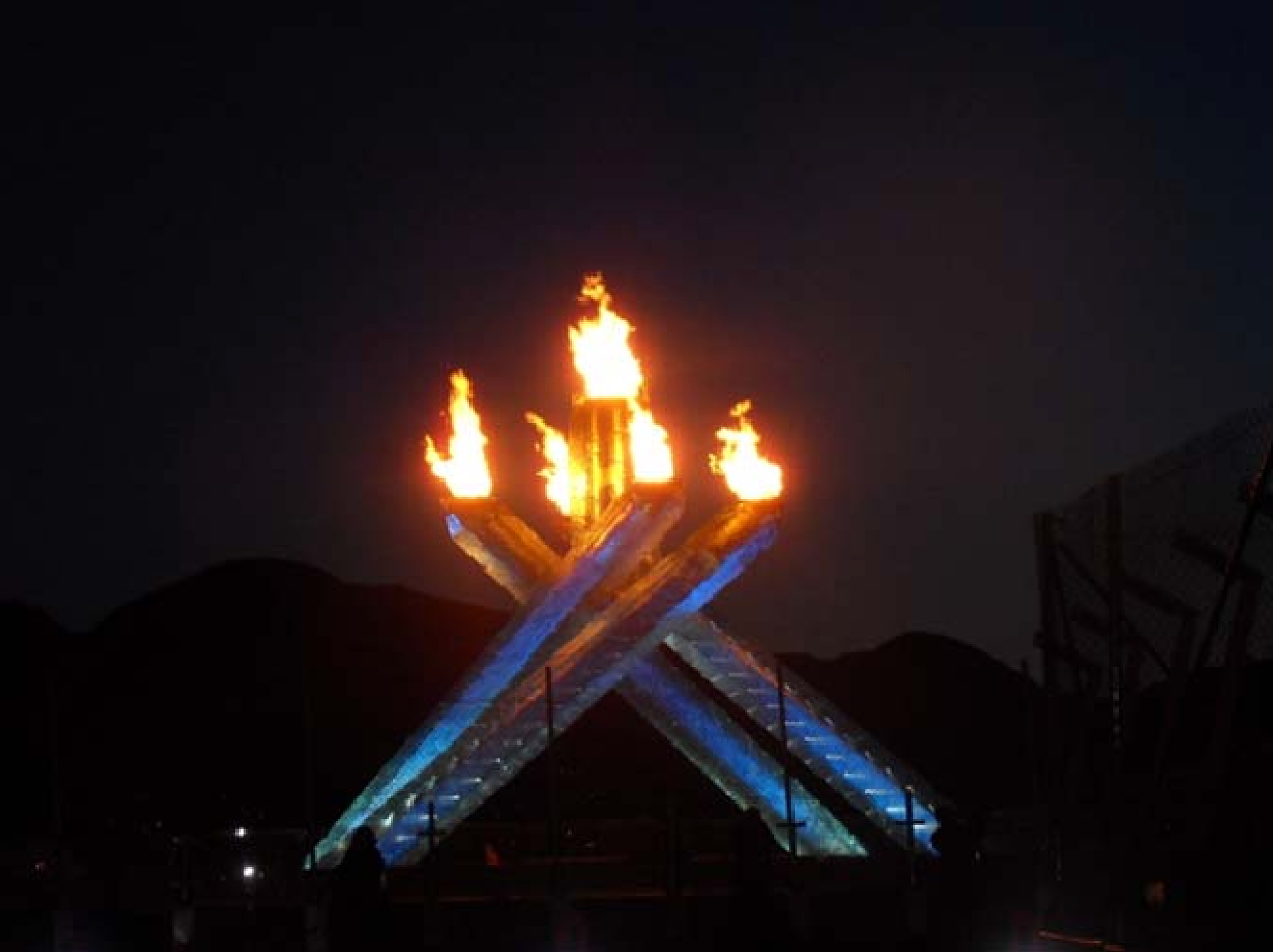
A montage of some pictures that I took during the games